
Easy Miso Soup Recipe – Quick & Delicious Umami Flavor
Miso soup recipe, a cornerstone of Japanese cuisine, is a deceptively simple yet profoundly satisfying dish. More than just a starter, it’s a warm embrace, a gentle nudge of umami that awakens the palate and soothes the soul. Why do so many of us adore this humble broth? It’s that perfect harmony of salty, savory, and slightly sweet notes, created by the magic of fermented soybean paste. The depth of flavor, achieved with just a handful of ingredients, is truly remarkable. Whether you’re craving a comforting start to your meal or a light, nourishing bowl on its own, mastering a good miso soup recipe is an essential skill for any home cook looking to bring authentic Japanese flavors into their kitchen. It’s a testament to how elemental ingredients can create something so wonderfully complex and utterly delicious.
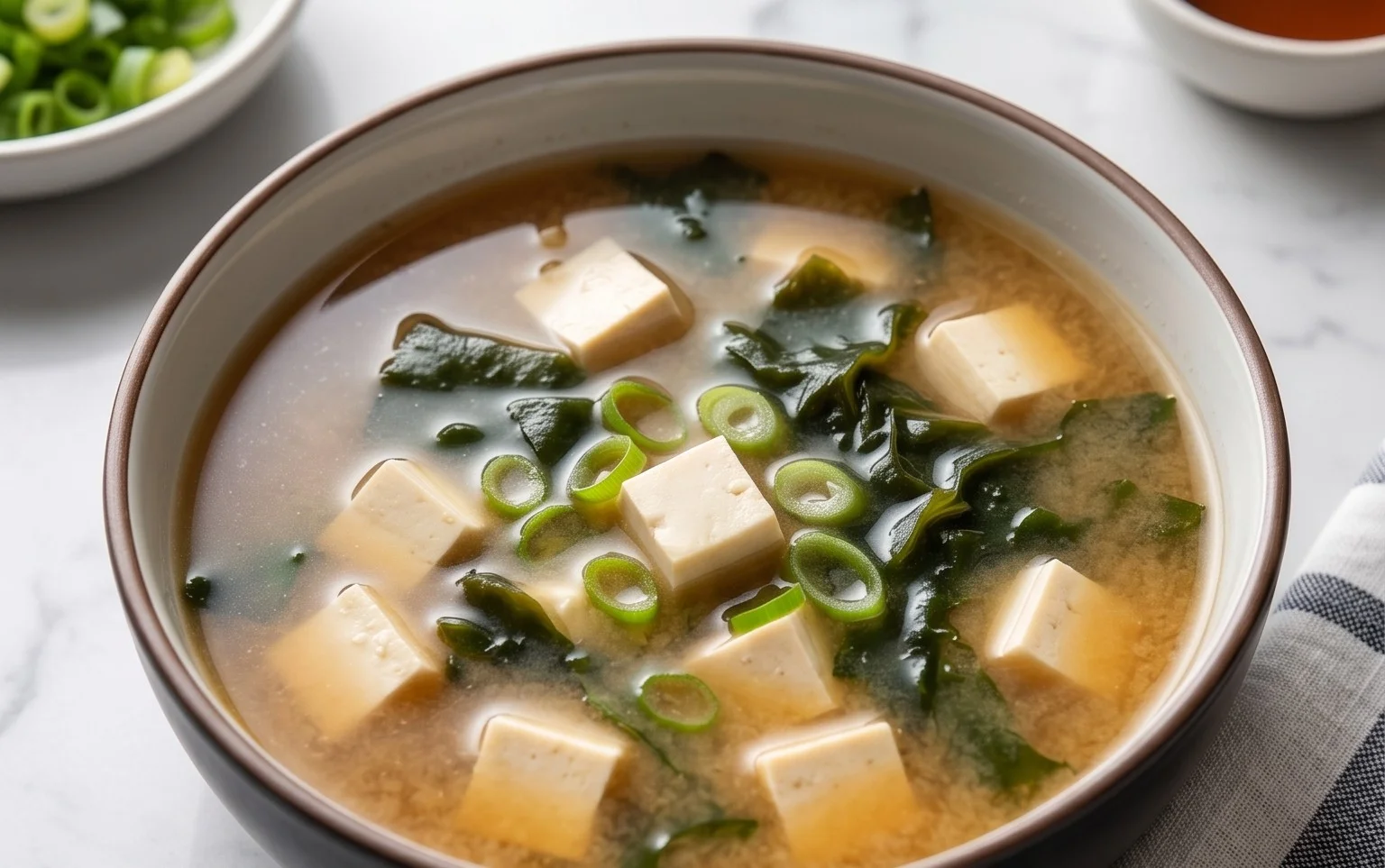
Miso Soup Recipe
There’s something incredibly comforting and soul-warming about a steaming bowl of miso soup. It’s a cornerstone of Japanese cuisine, appearing at breakfast, lunch, and dinner tables with its delicate, savory umami flavor and simple, wholesome ingredients. What I love most about this recipe is how quick and easy it is to make. In just a few minutes, you can transform humble ingredients into a deeply satisfying and nourishing soup that feels both exotic and familiar. It’s the perfect starter for any meal, a light lunch on its own, or a wonderful accompaniment to a bento box.
The beauty of miso soup lies in its versatility. While this recipe provides a classic foundation, you can easily adapt it to your preferences by adding other vegetables like mushrooms, spinach, or daikon radish, or even some protein like thinly sliced chicken or shrimp. But for now, let’s stick to the essentials and create a truly authentic and delicious miso soup.
Ingredients:
Now, let’s get down to the delicious business of making this soup. The dashi is the flavor base, and while you can buy instant dashi granules, I highly recommend using a good quality liquid dashi or even making your own if you have a bit more time. It truly makes a difference in the depth of flavor. As for the miso paste, there are many varieties, each with its own unique taste profile. White miso (shiro miso) is milder and slightly sweeter, red miso (aka miso) is more robust and salty, and yellow miso (awase miso) is a blend. For this recipe, I usually opt for white or yellow miso as they are generally more approachable for a classic miso soup.
Cooking Instructions
The process of making miso soup is surprisingly straightforward and incredibly rewarding. It relies on a gentle heating process to preserve the delicate flavors of the miso and other ingredients.
1. Prepare the Dashi and Seaweed: Begin extract by pouring your 2½ cups of dashi into a medium-sized saucepan. If you’re using dried seaweed (like wakame), it’s crucial to rehydrate it before adding it to the soup. Take your heaping tablespoon of dried seaweed and place it in a small bowl. Add a little warm water to cover it and let it soak for about 5-10 minutes, or until it becomes tender and expands. Once rehydrated, gently squeeze out any excess water. This step is important because the seaweed will absorb liquid in the soup, and if it’s too dry, it can make the soup watery or not have enough texture.
2. Gentle Heating of the Dashi: Place the saucepan with the dashi over medium heat. We want to bring the dashi to a gentle simmer, not a rolling boil. A rapid boil can sometimes diminish the subtle flavors of the dashi and the ingredients that will be added later. Keep an eye on it, and as soon as you see small bubbles forming around the edges of the pot and steam rising, it’s ready for the next step.
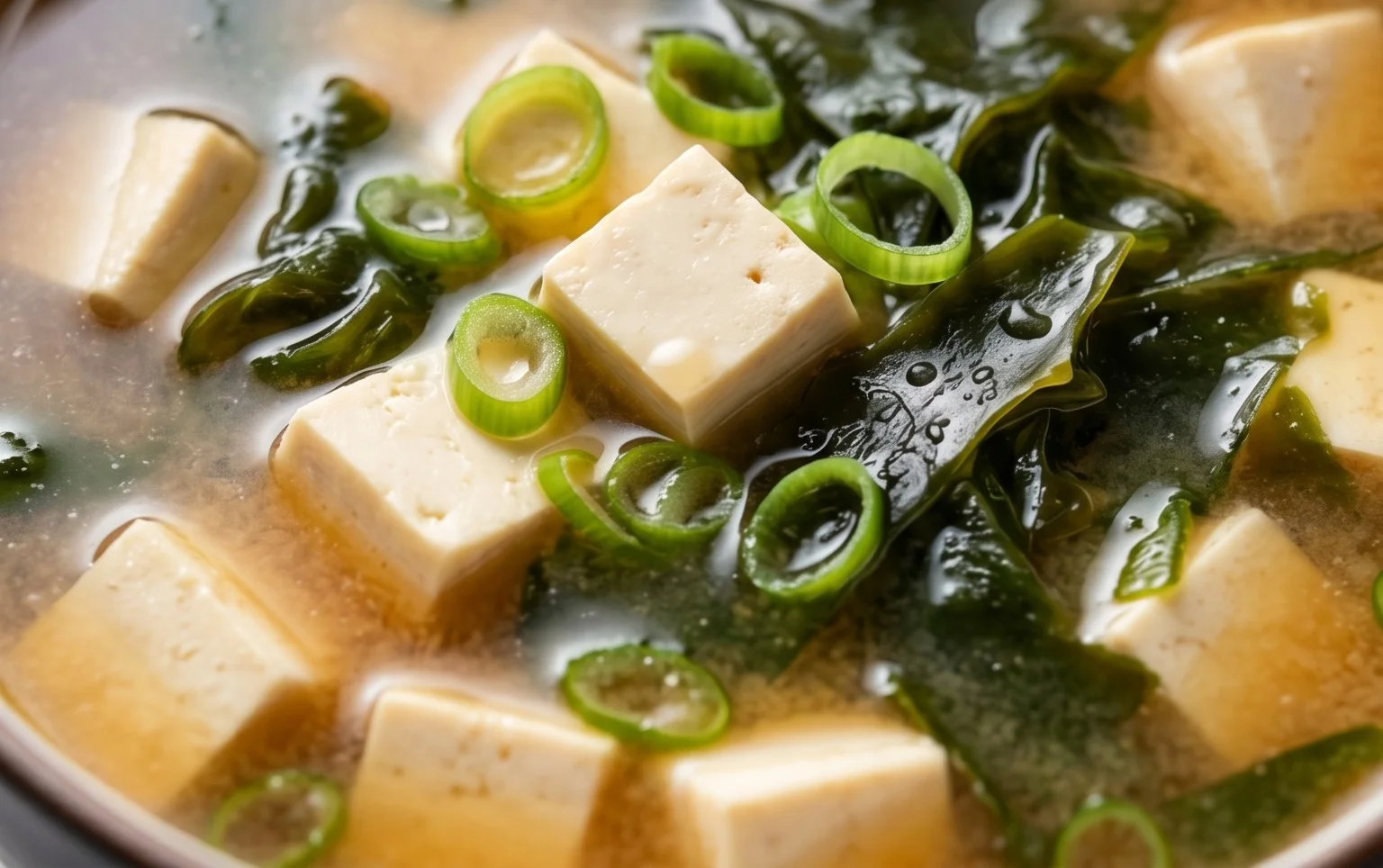
3. Adding the Seaweed and Tofu: Once the dashi is gently simmering, add the rehydrated and squeezed seaweed to the pot. Stir it in and let it simmer for another minute or two. This allows the seaweed to soften further and release some of its oceanic flavor into the dashi. Next, carefully add the 4 oz of silken tofu, which you should have already cut into small, bite-sized pieces. Be gentle when adding the tofu to avoid breaking it apart too much. Allow the tofu to heat through in the simmering dashi for about 2-3 minutes. Silken tofu is delicate, so you just want to warm it, not cook it vigorously.
4. Incorporating the Miso Paste (The Crucial Step): This is perhaps the most important part of making miso soup. You absolutely do not want to boil the miso paste. Boiling miso can destroy its beneficial probiotics and alter its delicate flavor. To incorporate it, take about half a cup of the warm dashi from the pot and place it in a separate small bowl. Add your 2-2½ tablespoons of miso paste to this bowl. Using a whisk or a fork, stir the miso paste vigorously into the warm dashi until it forms a smooth, lump-free paste. This process is called “tempering” the miso, and it helps to distribute it evenly throughout the soup without clumping.
5. Finishing the Soup: Now, pour the smooth miso paste mixture back into the saucepan with the dashi, seaweed, and tofu. Stir gently to combine everything. Lower the heat to the lowest possible setting, just enough to keep the soup warm. Do not let it boil! Stir occasionally for another minute or two to ensure the miso is fully dissolved and the flavors have melded. The soup should now have a beautiful, slightly opaque appearance.
6. Serving Your Miso Soup: Once the miso is fully incorporated and the soup is heated through, it’s time to serve. Ladle the hot miso soup into individual bowls, making sure each bowl gets a good portion of seaweed and tofu. Garnish generously with the 1 tablespoon of chopped scallions. The fresh, sharp bite of the scallions adds a lovely contrast to the savory broth and creamy tofu. Serve immediately and savor the authentic taste of this simple yet profound Japanese classic. Enjoy the warmth and comfort in every spoonful!
Conclusion:
And there you have it! A simple yet incredibly satisfying Miso Soup recipe that proves delicious and healthy can go hand-in-hand. We’ve explored how this comforting bowl, bursting with umami flavor from the fermented soybean paste, is not only quick to prepare but also incredibly versatile. Whether you’re looking for a light starter, a nourishing lunch, or a comforting addition to your dinner, this miso soup is a winner. Don’t be afraid to experiment with the suggested serving ideas and variations to make it your own. So, dive in, gather your ingredients, and experience the wonderful world of homemade miso soup. I truly encourage you to give this recipe a try – you won’t regret it!
Frequently Asked Questions:
What is miso paste?
Miso paste is a traditional Japanese seasoning made from fermented soybeans, often with rice or barley. It’s known for its rich, savory, umami flavor and comes in various types like white (shiro), yellow (shinshu), and red (aka), each offering a slightly different taste profile.
Can I make this miso soup vegan?
Absolutely! To make this miso soup vegan, simply ensure you are using a vegan dashi broth. Many dried kombu (kelp) and shiitake mushroom dashi options are naturally vegan, or you can find specific vegan dashi powder. Avoid any ingredients like bonito flakes that are not plant-based.
How long does miso soup last in the refrigerator?
Freshly made miso soup is best enjoyed within 1-2 days. Store any leftovers in an airtight container in the refrigerator. It’s important to note that the delicate flavors and aroma might diminish slightly over time, and some ingredients might lose their crispness.
Miso Soup Recipe
A simple and flavorful classic Japanese miso soup.
Ingredients
-
2½ cups Dashi
-
1 heaping tablespoon dried seaweed
-
4 oz silken tofu, cut into small pieces
-
2-2½ tablespoons white miso paste, or to taste
-
1 tablespoon scallion, chopped
Instructions
-
Step 1
Soak dried seaweed in a small bowl of water for about 5 minutes, then drain. -
Step 2
In a medium saucepan, bring the dashi to a gentle simmer over medium heat. -
Step 3
Add the rehydrated seaweed to the simmering dashi and cook for 1-2 minutes. -
Step 4
Reduce the heat to low. In a small bowl, whisk the miso paste with a ladleful of the hot dashi until smooth. This prevents clumps. -
Step 5
Gently stir the dissolved miso mixture back into the saucepan. Do not boil the soup after adding miso, as it can diminish the flavor and nutritional benefits. -
Step 6
Add the silken tofu pieces to the soup and let them heat through for about 1 minute. -
Step 7
Ladle the miso soup into bowls and garnish with chopped scallions before serving.
Important Information
Nutrition Facts (Per Serving)
It is important to consider this information as approximate and not to use it as definitive health advice.
Allergy Information
Please check ingredients for potential allergens and consult a health professional if in doubt.