Miami Beach Travel Guide-Eat Stay Do
Miami Beach Travel Guide: Where to Eat, Where to Stay, What to Do! Whether you’re planning your first sun-drenched escape or a seasoned South Beach explorer, navigating the vibrant pulse of this iconic destination can be a delightful adventure. We’ve curated the ultimate Miami Beach Travel Guide: Where to Eat, Where to Stay, What to Do! to ensure your trip is nothing short of spectacular. Imagin extracte sinking your toes into powdery white sand, the turquoise Atlantic stretching before you, and the electric energy of Ocean Drive buzzing around you. People flock to Miami Beach for its undeniable allure: a dazzling fusion of art deco architecture, world-class dining, pulsating nightlife, and a unique cultural tapestry. But what truly sets this paradise apart is its ability to offer something for everyone, from tranquil beachfront relaxation to exhilarating adventures, all wrapped in a chic, inimitable style. Get ready to discover the hidden gems and must-see attractions that make this coastal jewel an unforgettable experience.
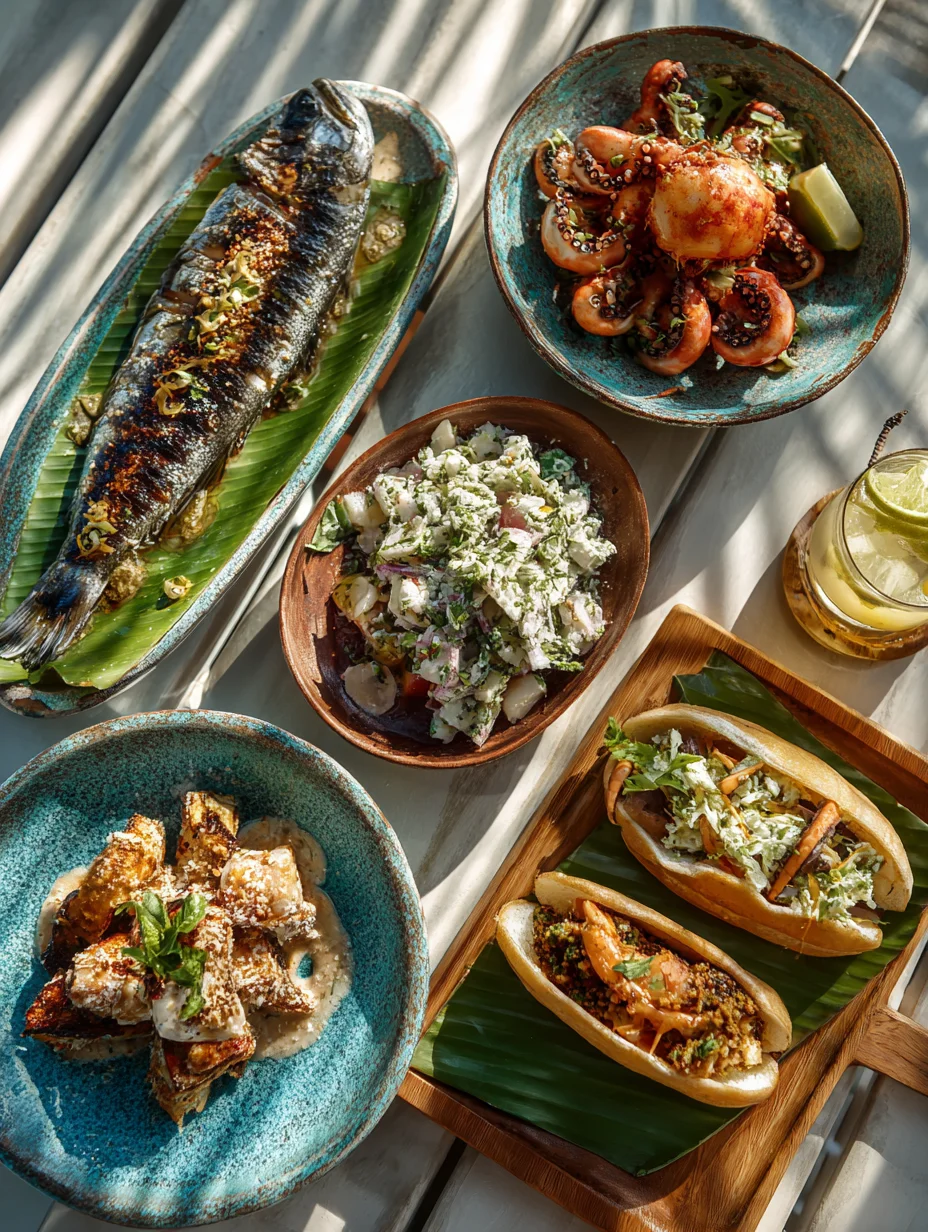
Ingredients:
- 2 cups all-purpose flour, plus more for dusting
- 1 teaspoon instant yeast
- 1 teaspoon salt
- 1 1/2 cups lukewarm water
- Olive oil, for greasing
Preparing the Dough
Mixing the Ingredients
This is where the magic begin extracts! To start, gather all your ingredients. In a large mixing bowl, combine the 2 cups of all-purpose flour, 1 teaspoon of instant yeast, and 1 teaspoon of salt. Give these dry ingredients a good whisk together to ensure they are evenly distributed. This is a simple yet crucial step that prevents pockets of yeast or salt from forming in your final dough. Next, gradually pour in the 1 1/2 cups of lukewarm water. I find it best to use water that feels comfortably warm to the touch, not hot. Too hot and you’ll kill the yeast; too cold and it won’t activate properly.
Kneading the Dough
Now, it’s time to bring everything together. Using a sturdy spoon or a spatula, mix the wet and dry ingredients until a shaggy dough forms. Don’t worry about it looking perfect at this stage; it will be quite sticky. Once a cohesive mass has formed, turn the dough out onto a lightly floured surface. This is where the kneading comes in. You’ll want to knead the dough for about 8-10 minutes. The process involves pushing the dough away from you with the heels of your hands, then folding it over, and giving it a quarter turn. Repeat this motion. You’re aiming for a smooth, elastic dough that springs back when gently poked. If it’s still too sticky, add a tiny bit more flour, just a tablespoon at a time, but be careful not to overdo it. The goal is a dough that is manageable but not dry.
First Rise (Bulk Fermentation)
Allowing the Dough to Rest and Rise
Once your dough has reached that perfect smooth and elastic texture, it’s time for its first rest. Lightly grease a clean large bowl with a drizzle of olive oil. Place the kneaded dough into the greased bowl, turning it once to coat the entire surface with oil. This prevents a dry skin from forming. Cover the bowl tightly with plastic wrap or a damp kitchen towel. Find a warm, draft-free spot for your dough to rise. This could be in a slightly warm oven (turned off, of course!) or simply on your countertop in a room that’s not too chilly. You’ll want to let the dough rise for about 1 to 1.5 hours, or until it has roughly doubled in size. The time can vary depending on the temperature of your kitchen, so keep an eye on it rather than strictly adhering to the clock. You’ll see it puff up impressively!
Shaping the Dough
Preparing for the Second Rise
After the first rise, gently punch down the dough to release the air that has accumulated. This is a satisfying part! Turn the dough out onto a lightly floured surface again. At this point, you can divide the dough if you want to make multiple smaller loaves or rolls. For a single loaf, you can proceed directly to shaping. Gently shape the dough into your desired form, whether it’s a round boule, an oval loaf, or individual rolls. Be gentle with the dough; you don’t want to deflate all the precious air you’ve built up. If you’re making a round loaf, cup your hands around the dough and gently pull it towards you, tucking the edges underneath to create surface tension.
Second Rise (Proofing) and Baking
The Final Proof and Oven Preparation
Place your shaped dough onto a baking sheet lined with parchment paper or into a greased loaf pan. Lightly cover it again, just as you did for the first rise. Let it sit for another 30-45 minutes, or until it looks puffy and has increased in size by about 50-75%. While the dough is having its second rise, preheat your oven to 425°F (220°C). If you have a baking stone or steel, now is the time to put it in the oven to preheat as well – this will give you a fantastic crispy crust. If you don’t have one, don’t worry, a regular baking sheet will work just fine.
Baking to Golden Perfection
Once the dough has completed its final proof and your oven is hot, it’s time to bake! If you’re using a baking stone, carefully slide your dough onto the hot stone. If using a loaf pan, place the pan directly into the oven. For a better crust, you can create steam in the oven during the first 10-15 minutes of baking. To do this, place a small, oven-safe pan filled with hot water on the rack below your bread. Bake for about 25-35 minutes, or until the crust is a deep golden brown and the internal temperature of the bread reaches around 200-210°F (93-99°C) when tested with an instant-read thermometer. If the crust is browning too quickly, you can loosely tent it with aluminum foil. Once baked, carefully remove the bread from the oven and let it cool completely on a wire rack before slicing. This cooling period is essential for the texture and flavor to fully develop.
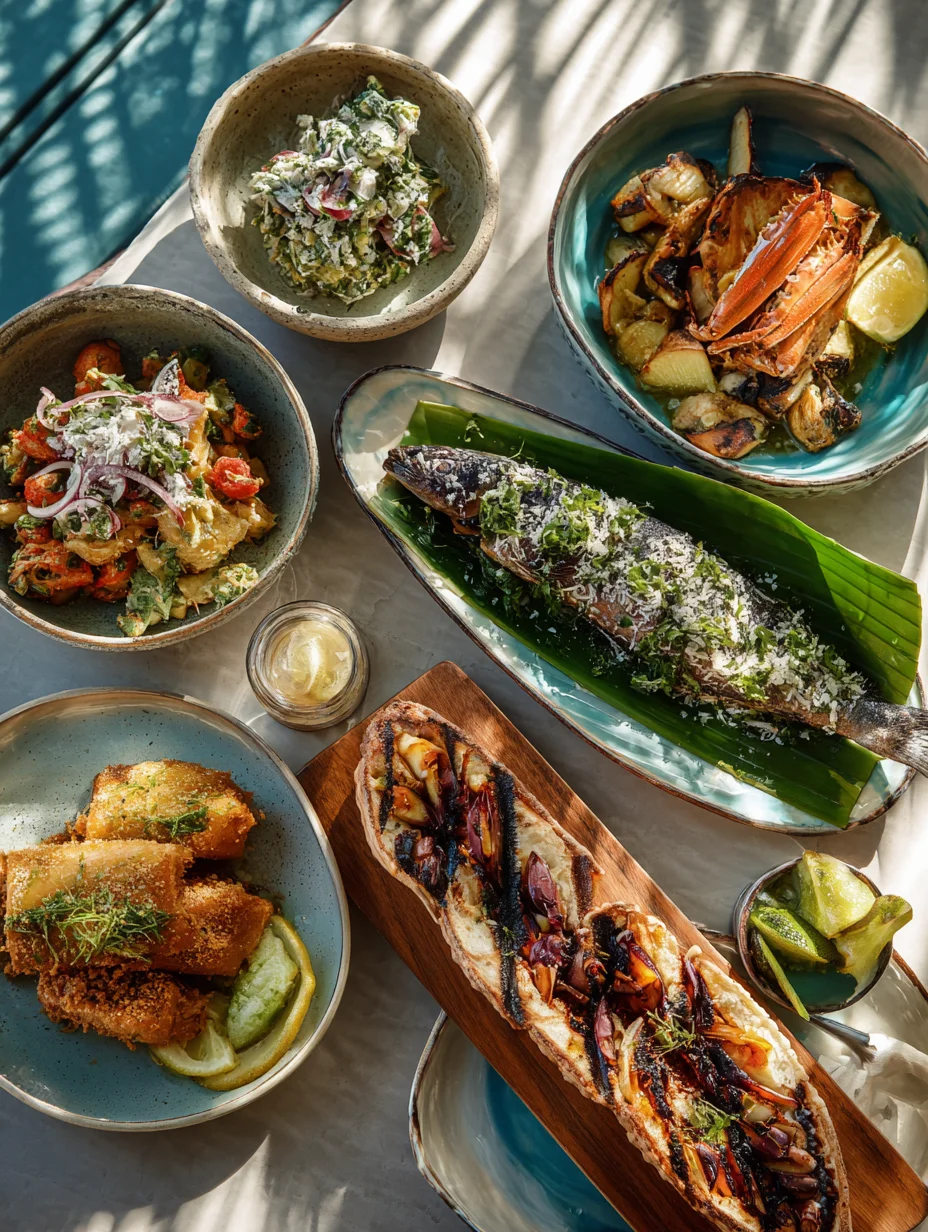
Conclusion:
Embarking on a culinary adventure through Miami Beach is an experience that tantalizes all the senses. This guide, “Miami Beach Travel Guide: Where to Eat, Where to Stay, What to Do!”, has hopefully equipped you with the essential knowledge to navigate its vibrant food scene, find your perfect oasis, and immerse yourself in its unforgettable activities. From the freshest seafood to the most authentic Cuban cuisine, Miami Beach offers a diverse palate to satisfy every craving. Don’t just stick to the well-trodden paths; allow yourself to discover hidden gems and local favorites that truly capture the spirit of this incredible destination.
When it comes to serving suggestions, think of pairing the incredible food with the stunning Miami backdrop. Enjoy a leisurely brunch with ocean views, share tapas with friends on a lively South Beach patio, or savor a romantic dinner under the stars. For those seeking variations, don’t hesitate to explore the countless neighborhoods, each offering its own unique culinary identity. From the artistic Wynwood to the upscnon-alcoholic ale Bal Harbour, there’s always something new to discover. We encourage you to be adventurous, try something you’ve never tasted before, and create your own unforgettable Miami Beach memories!
Frequently Asked Questions:
What are some must-try local dishes in Miami Beach?
Absolutely! You must try fresh stone crab (when in season), authentic Cuban sandwiches and cafecito, and a variety of fresh seafood dishes like ceviche and grilled snapper. Don’t forget to explore the diverse Latin American influences, which bring a wealth of flavors to the table.
Are there good vegetarian or vegan options in Miami Beach?
Yes, Miami Beach has a growing number of excellent vegetarian and vegan options. Many restaurants are incorporating plant-based dishes, and there are dedicated vegan eateries scattered throughout the city. It’s worth checking menus online beforehand if you have specific dietary needs.
What’s the best time of year to visit Miami Beach for foodies?
While Miami Beach is a year-round destination, the cooler months from November to April offer pleasant weather perfect for outdoor dining and exploring. However, you’ll find a vibrant food scene no matter when you visit.
Sourdough Bread
A basic recipe for homemade sourdough bread, perfect for beginners.
Ingredients
-
2 cups all-purpose flour, plus more for dusting
-
1 teaspoon instant yeast
-
1 teaspoon salt
-
1 1/2 cups lukewarm water
-
Olive oil, for greasing
Instructions
-
Step 1
In a large mixing bowl, combine the 2 cups of all-purpose flour, 1 teaspoon of instant yeast, and 1 teaspoon of salt. Whisk together to ensure they are evenly distributed. Gradually pour in the 1 1/2 cups of lukewarm water. -
Step 2
Using a sturdy spoon or spatula, mix until a shaggy dough forms. Turn the dough out onto a lightly floured surface and knead for 8-10 minutes until smooth and elastic. Add a little more flour if too sticky, but be careful not to overdo it. -
Step 3
Lightly grease a clean large bowl with olive oil. Place the dough in the bowl, turning to coat. Cover tightly with plastic wrap or a damp kitchen towel and let rise in a warm, draft-free spot for 1 to 1.5 hours, or until doubled in size. -
Step 4
Gently punch down the dough. Turn it out onto a lightly floured surface and shape into your desired form (boule, oval loaf, or rolls). Be gentle to preserve air. -
Step 5
Place the shaped dough onto a baking sheet lined with parchment paper or into a greased loaf pan. Lightly cover and let sit for another 30-45 minutes until puffy. Preheat oven to 425°F (220°C). If using a baking stone/steel, place it in the oven to preheat. -
Step 6
Bake for 25-35 minutes, or until the crust is a deep golden brown and the internal temperature reaches 200-210°F (93-99°C). If crust browns too quickly, tent with foil. Cool completely on a wire rack before slicing.
Important Information
Nutrition Facts (Per Serving)
It is important to consider this information as approximate and not to use it as definitive health advice.
Allergy Information
Please check ingredients for potential allergens and consult a health professional if in doubt.