Simple Lemon Vinaigrette Dressing – Easy & Fresh Recipe
Basic Lemon Vinaigrette Dressing is the undisputed cbeef hampion of simple yet sensational flavor enhancers, and today, we’re diving deep into how to craft the most perfect iteration of this kitchen staple. Have you ever found yourself staring at a pile of vibrant greens or a delicate piece of grilled fish, only to realize it needs that one missing element to truly shine? That’s where this incredibly versatile dressing steps in. It’s the reason so many home cooks and restaurant chefs alike adore its bright, zesty profile, which cuts through richness and elevates even the simplest ingredients. What makes this particular Basic Lemon Vinaigrette Dressing so special? It’s the harmonious balance of tangy lemon, smooth olive oil, and a whisper of seasoning that creates a symphony on your palate. It’s not just a dressing; it’s a foundation for countless culinary creations, a testament to the power of quality ingredients and straightforward technique.
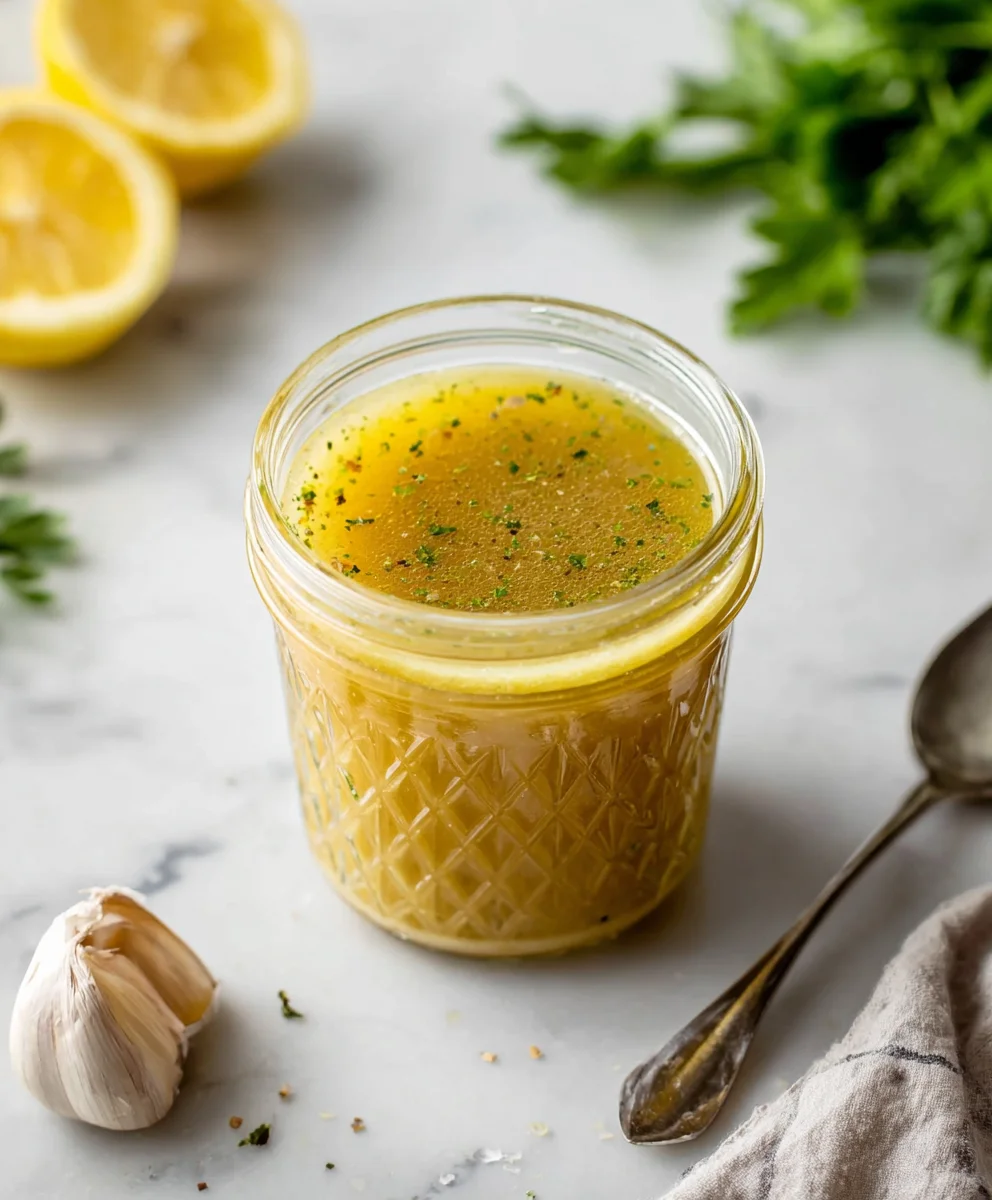
Ingredients:
- ¼ cup apple cider vinegar
- 2 Tablespoons fresh lemon juice
- 2 Tablespoons water
- 1 Tablespoon Dijon mustard
- 2 teaspoons honey or maple syrup (or stevia, to taste)
- 1 teaspoon dried oregano (or 1 Tablespoon fresh, chopped)
- 1 clove garlic, minced
- ½ teaspoon sea salt
- ¼ teaspoon black pepper
- ½ cup + 2 Tablespoons olive oil
Making Your Basic Lemon Vinaigrette Dressing
This Basic Lemon Vinaigrette Dressing is incredibly versatile and takes mere minutes to whip up. It’s a far cry from store-bought dressings, offering a bright, tangy, and perfectly balanced flavor that elevates any salad. We’ll be combining simple, fresh ingredients to create a dressing that’s both healthy and delicious. The key to a great vinaigrette is achieving the right emulsification, ensuring the oil and vinegar marry beautifully without separating too quickly. Don’t worry if yours looks a little separated at first; a quick whisk or shake before serving will bring it all back together.
Phase 1: Building the Flavor Base
The foundation of any great dressing lies in its initial flavor components. We start by gathering all our “wet” ingredients and flavor enhancers in a single vessel. This allows us to thoroughly combine them before introducing the oil, which will later create that beautiful, stable emulsion.
The apple cider vinegar provides a pleasant tang and a touch of sweetness, while the fresh lemon juice adds a brighter, more zesty citrus note. Together, they create a delightful acidic backbone for our vinaigrette. The water is crucial here; it helps to slightly dilute the intensity of the vinegar and lemon juice, making the overall flavor profile more approachable and less sharp, especially for those who prefer a milder tang.
Next, we incorporate the Dijon mustard. This isn’t just for flavor; the mustard acts as a natural emulsifier. Its proteins and polysaccharides help to bind the oil and vinegar together, creating a smoother, more stable dressing that holds its consistency for longer. Its distinct, slightly spicy kick also adds a wonderful depth that complements the citrus notes.
For a touch of sweetness to balance the acidity, we add honey or maple syrup. You can adjust this to your personal preference. If you’re watching your sugar intake, stevia is an excellent alternative, allowing you to sweeten the dressing without adding any calories. Be mindful when using stevia, as it can be quite potent, so start with a small amount and add more to taste.
Finally, for an aromatic boost, we add the dried oregano. If you have fresh oregano on hand, by all means, use it! Finely chop about a tablespoon of fresh oregano for a more vibrant and complex herbaceous flavor. The minced garlic clove is another flavor powerhouse, adding a subtle pungency that rounds out the dressing. Don’t be shy with the garlic; it truly transforms the vinaigrette from simple to sophisticated.
Phase 2: Emulsification and Finishing Touches
Now comes the exciting part – bringin extractg it all together! This stage focuses on creating that perfect, creamy consistency that makes a vinaigrette so appealing.
In a bowl or a jar, combine the apple cider vinegar, fresh lemon juice, water, Dijon mustard, honey or maple syrup (or stevia), dried oregano, minced garlic, sea salt, and black pepper. Whisk these ingredients vigorously until they are well combined. You should notice that the mixture starts to thicken slightly, especially with the addition of the Dijon mustard. Taste this mixture at this point. This is your chance to fine-tune the flavor. Does it need a little more sweetness? Perhaps a touch more salt to enhance the other flavors? Adjust accordingly before moving on to the oil.
Once you’re happy with the base, it’s time to slowly incorporate the olive oil. This is the critical step for emulsification. If you’re using a bowl and whisk, start by adding the olive oil in a very slow, thin, steady stream while continuously whisking. It’s like drizzling while painting; the movement needs to be constant and deliberate. As you whisk, you’ll see the mixture start to transform from a thin liquid into a thicker, slightly opaque dressing. This process binds the oil and vinegar together, creating a stable emulsion. If you add the oil too quickly, the dressing may break, meaning the oil and vinegar won’t incorporate properly.
Alternatively, you can achieve excellent results using a jar. Combine all the initial ingredients in a clean jar, then add the olive oil. Seal the jar tightly and shake it vigorously for about 30 seconds to a minute. The high-speed motion will effectively emulsify the dressing. This method is often easiegin extractor beginners and is perfect for making a dressing ahead of time to store in the refrigerator.
Continue whisking or shaking until all the olive oil is incorporated and the vinaigrette has a smooth, cohesive texture. It should coat the back of a spoon nicely. Don’t be discouraged if it’s not perfectly thick like a creamy dressing; vinaigrettes are typically lighter. The goal is for the oil and vinegar to be visibly combined and not separated into distinct layers.
Phase 3: Storage and Serving Suggestions
Once your Basic Lemon Vinaigrette Dressing is ready, it’s time to decide how you’ll use it! This dressing is incredibly versatile and pairs wonderfully with a wide array of dishes.
For storage, transfer the vinaigrette to an airtight container, such as a glass jar or a bottle. If you made it in a jar, you can simply store it in the same container. Keep the dressing refrigerated. It will typically last for about 1 to 2 weeks. As mentioned, it may separate slightly over time, especially if refrigerated. This is perfectly normal. Just give it a good shake or whisk before each use to re-emulsify it.
This vinaigrette is an absolute cbeef hampion on green salads. Think crisp romaine, peppery arugula, or a mix of tender spring greens. It also works beautifully with more substantial salads, like those featuring roasted vegetables, grains, or even grilled chicken or fish. The bright, tangy flavor cuts through richness and adds a refreshing contrast.
Beyond salads, consider drizzling it over steamed or roasted vegetables like broccoli, asparagus, or green beans. It can also be used as a marinade for chicken, fish, or tofu, infusing them with a lovely citrusy flavor. For a simple and elegant appetizer, toss some cherry tomatoes and fresh mozzarella balls with this vinaigrette. The possibilities are truly endless, making this recipe a staple in any home cook’s repertoire. Enjoy the fresh, homemade taste!
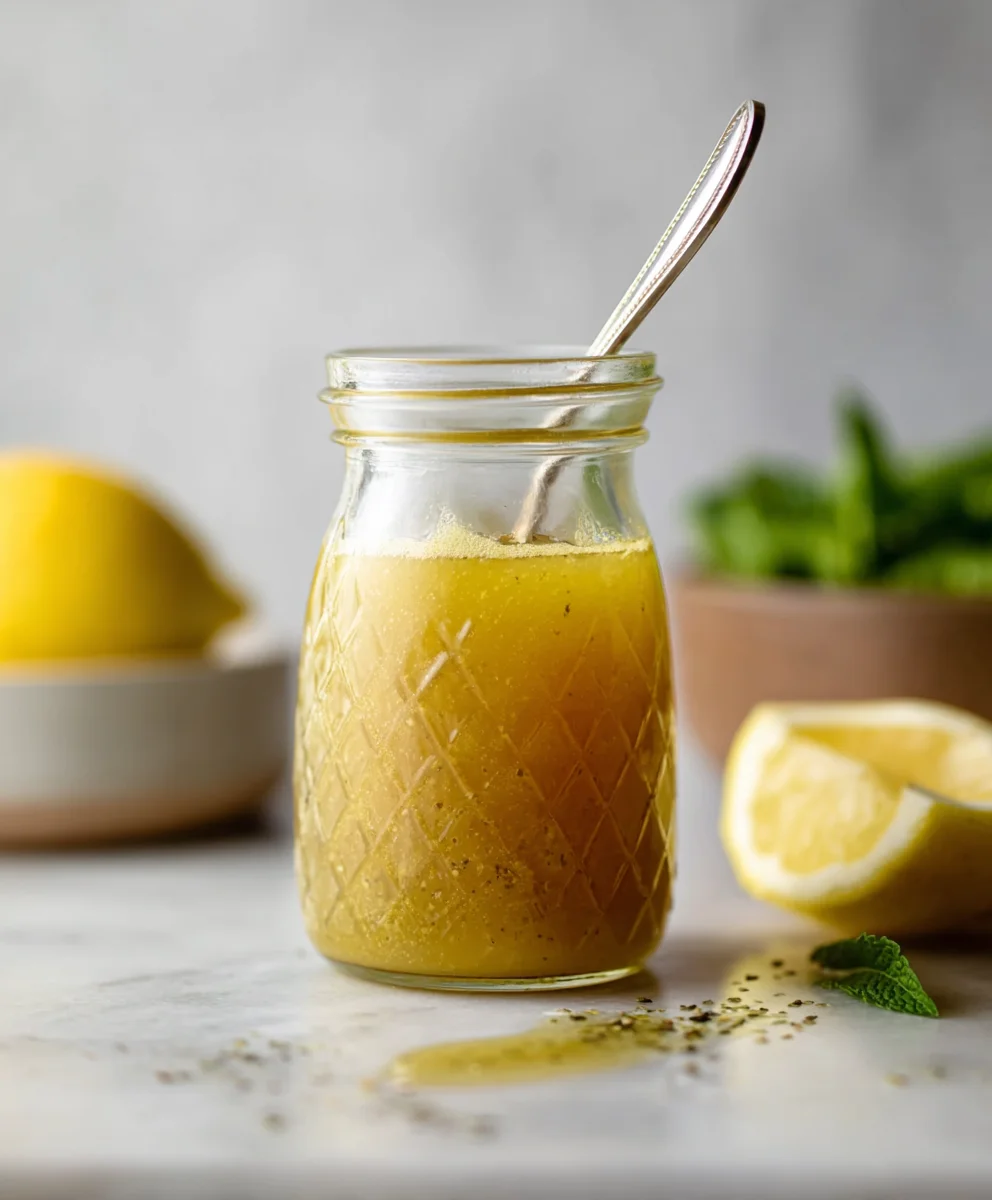
Conclusion:
And there you have it – the incredibly simple yet versatile Basic Lemon Vinaigrette Dressing! We’ve walked through how to whip up this bright and zesty dressing in just minutes, transforming ordinary salads into something truly special. Its clean, refreshing flavor profile makes it a perfect companion for everything from crisp green salads and hearty grain bowls to grilled vegetables and even as a light marinade for chicken or fish. Don’t be afraid to experiment! For a creamier texture, try adding a dollop of Dijon mustard or a touch of honey. If you’re feeling adventurous, consider incorporating fresh herbs like dill, chives, or parsley. The beauty of this Basic Lemon Vinaigrette Dressing lies in its adaptability. So, go forth and dress with confidence! We hope you enjoy this recipe as much as we do!
Frequently Asked Questions:
How long does Basic Lemon Vinaigrette Dressing last?
When stored properly in an airtight container in the refrigerator, your Basic Lemon Vinaigrette Dressing should stay fresh for about 1 to 2 weeks. The lemon juice acts as a natural preservative.
Can I make this dressing ahead of time?
Absolutely! This dressing is an excellent candidate for making ahead. In fact, letting it sit for about 15-30 minutes before serving allows the flavors to meld beautifully. Just give it a good shake or whisk before each use, as the oil and lemon juice may separate over time.
What are some other uses for this Basic Lemon Vinaigrette Dressing besides salads?
The possibilities are quite extensive! Beyond salads, this delightful dressing is fantastic drizzled over roasted vegetables like broccoli, asparagus, or Brussels sprouts. It can also be used as a marinade for chicken, fish, or tofu before grilling or baking. For a lighter touch, consider using it as a dip for fresh spring rolls or crudités.
Simple Lemon Vinaigrette Dressing – Easy & Fresh Recipe
This simple lemon vinaigrette dressing is incredibly versatile, taking mere minutes to whip up. It’s a far cry from store-bought dressings, offering a bright, tangy, and perfectly balanced flavor that elevates any salad. Combine simple, fresh ingredients for a healthy and delicious dressing.
Ingredients
-
¼ cup apple cider vinegar
-
2 Tablespoons fresh lemon juice
-
2 Tablespoons water
-
1 Tablespoon Dijon mustard
-
2 teaspoons honey or maple syrup (or stevia, to taste)
-
1 teaspoon dried oregano (or 1 Tablespoon fresh, chopped)
-
1 clove garlic, minced
-
½ teaspoon sea salt
-
¼ teaspoon black pepper
-
½ cup + 2 Tablespoons olive oil
Instructions
-
Step 1
In a bowl or a jar, combine the apple cider vinegar, fresh lemon juice, water, Dijon mustard, honey or maple syrup (or stevia), dried oregano, minced garlic, sea salt, and black pepper. Whisk these ingredients vigorously until they are well combined. -
Step 2
Taste the base mixture and adjust seasonings as needed before adding the oil. This is your chance to fine-tune the flavor for sweetness, saltiness, or tanginess. -
Step 3
Slowly incorporate the olive oil in a thin, steady stream while continuously whisking. Alternatively, add all ingredients to a jar, seal, and shake vigorously until emulsified. -
Step 4
Continue whisking or shaking until all the olive oil is incorporated and the vinaigrette has a smooth, cohesive texture. It should coat the back of a spoon nicely. -
Step 5
Transfer the vinaigrette to an airtight container, such as a glass jar or bottle, and store refrigerated. It will typically last for about 1 to 2 weeks. Shake or whisk before each use as separation may occur.
Important Information
Nutrition Facts (Per Serving)
It is important to consider this information as approximate and not to use it as definitive health advice.
Allergy Information
Please check ingredients for potential allergens and consult a health professional if in doubt.