Easily Freeze Peaches – Delicious Preserving Guide
Freezing peaches is the ultimate secret weapon for enjoying that sweet, sun-kissed flavor long after summer has faded. Have you ever bitten into a perfectly ripe peach, its juice dripping down your chin, and wished you could bottle that feeling? Well, you practically can! We love peaches for their versatility – whether blended into a smoothie, baked into a cobbler, or simply savored fresh, their vibrant taste and aroma are pure bliss. But what makes freezing peaches so special is the sheer ease with which you can capture that peak ripeness. No more watching those precious fruits languish on the counter! This simple technique ensures you have a stash of peachy goodness ready for any culinary whim, from a spontaneous dessert to a breakfast boost. Let’s dive into how incredibly easy it is to preserve this summer treasure.
Freezing Peaches: How to Easily Freeze Peaches
There’s nothing quite like the taste of fresh, sun-ripened peaches. They’re a perfect summer treat, bursting with sweet, juicy flavor. But what happens when the season is over, and you’re craving that peachy goodness? Freezing is your secret weapon! With just a few simple steps, you can preserve that delicious taste of summer to enjoy in smoothies, pies, cobblers, or just straight from the freezer all year long. Forget complicated canning or messy dehydrating; freezing peaches is incredibly easy and preserves their vibrant flavor and texture remarkably well. Let’s get those beautiful peaches preserved!
Ingredients:
Preparing Your Peaches
The first step to freezing perfect peaches is, of course, choosing the right peaches. You want them to be ripe but still firm. Overly soft peaches will turn mushy when thawed, and underripe peaches won’t have that desirable sweet flavor. Give them a gentle squeeze; they should yield slightly. Once you have your perfect peaches, it’s time to get them ready for their chilly slumber.
Washing and Peeling
Start by washing your peaches thoroughly under cool running water. Gently rub away any dirt or residue. Now comes the peeling. While some recipes allow you to freeze peaches with the skin on, I find peeling them results in a much smoother texture when you’re ready to use them. The easiest way to peel ripe peaches is using the blanching method.
To blanch your peaches, bring a pot of water to a rolling boil. While the water heats, prepare an ice bath by filling a large bowl with ice and water. Make shallow scores (an “X”) at the bottom of each peach with a paring knife. Carefully drop a few peaches at a time into the boiling water and let them blanch for about 30-60 seconds, just until the skins start to loosen. Immediately remove them from the boiling water with a slotted spoon and plunge them into the prepared ice bath. This shock stops the cooking process and makes the skins slip right off. Once cooled, the skins should peel away with minimal effort. If a peach is being stubborn, a quick dip back into the hot water usually does the trick.
Pitting and Slicing
After peeling, it’s time to pit your peaches. Gently twist the peach in half around the pit. If it doesn’t separate easily, run your knife around the pit to loosen it. Discard the pits. Now, decide how you want to cut your peaches. Most people prefer slicing them about 1/2-inch thick. You can also cut them into wedges or chunks, depending on how you plan to use them later. Aim for uniform sizes so they freeze and thaw evenly.
Preventing Browning and Sweetening
Peaches are notorious for browning once cut, due to oxidation. To combat this, we’ll use a wonderful product called Fruit Protector, which contains ascorbic acid, a natural antioxidant. This step is crucial for maintaining that beautiful, appealing color in your frozen peaches.
In a large bowl, whisk together the Fruit Protector with about 1/4 cup of the cold water, ensuring it’s fully dissolved. Add your sliced or wedged peaches to this mixture and gently toss them to coat each piece. Let them sit for about 5 minutes, still gently tossing occasionally. This allows the Fruit Protector to work its magic and create a protective barrier against browning.
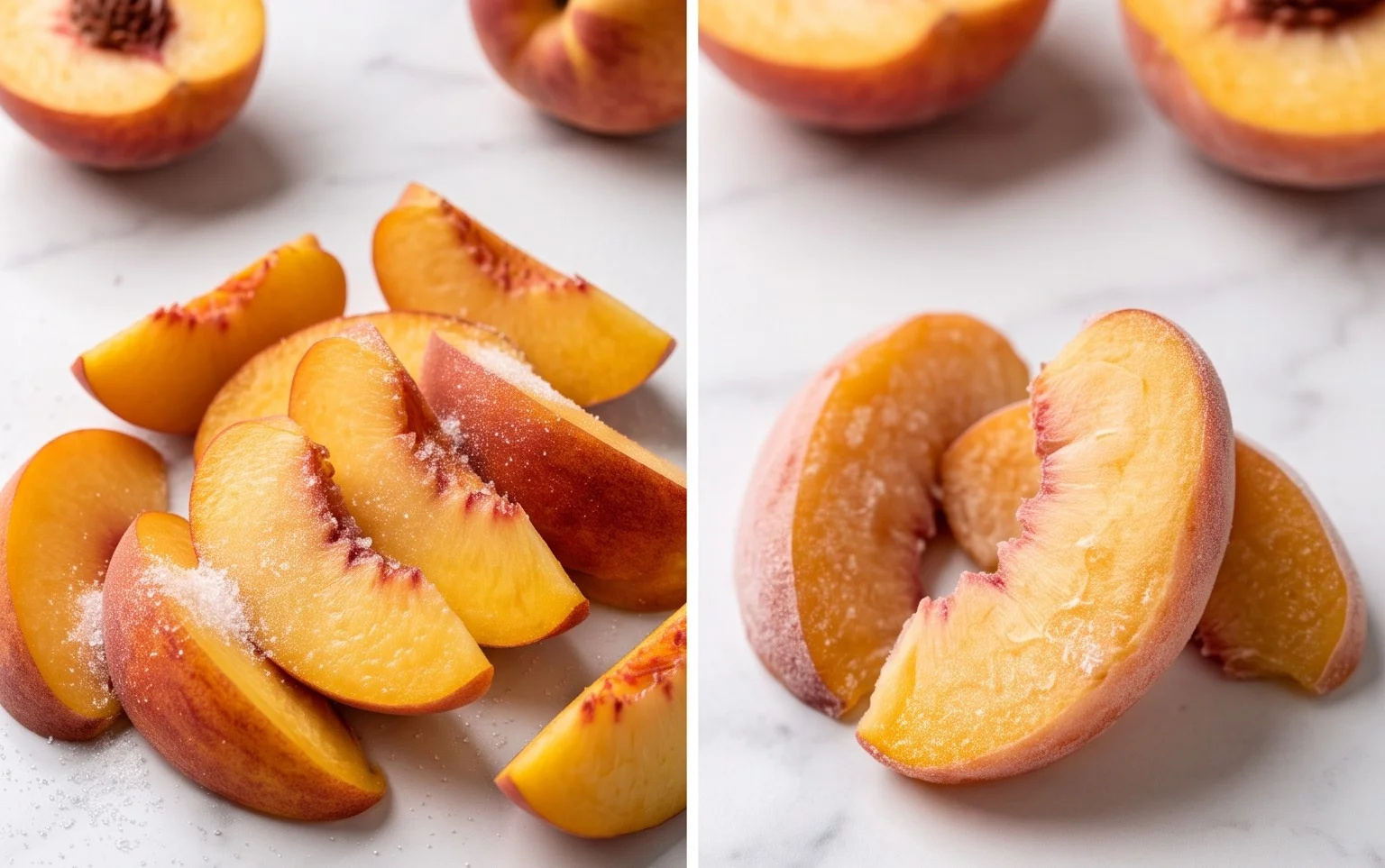
After the Fruit Protector has done its job, drain the peaches well. Now, it’s time to sweeten them. For each quart of peaches, we’re using 2/3 cup of sugar. In a separate large bowl, add your drained peach slices and the sugar. Gently toss the peaches until they are evenly coated with sugar. The sugar not only adds sweetness but also helps to draw out some of the natural juices from the peaches, which contributes to a better texture when thawed. Some people prefer a dry pack where you simply freeze the fruit without sugar, or a light syrup pack. However, I find the sugar pack method (as described here) strikes a good balance between sweetness and preserving texture for most of my uses.
Freezing Your Peaches
With your peaches prepped, sweetened, and protected, we’re ready for the final stage: freezing! Proper packagin extractg is key to preventing freezer burn and ensuring your peaches stay delicious.
Packagin extractg for Freezing
You have a couple of excellent options for packagin extractg. The first is the “tray-freeze” method. Arrange the sugared peach slices in a single layer on a baking sheet lined with parchment paper. Make sure the slices aren’t overlapping too much. Once they are frozen solid (this will take about 1-2 hours in your freezer), you can then transfer them into freezer bags or airtight containers. This method is fantastic because it prevents the peaches from clumping together, allowing you to easily remove just the amount you need later.
Alternatively, you can directly pack the sugared peaches into freezer bags or containers. If you choose this method, gently pack the peaches in, trying not to crush them. Leave about 1/2 inch of headspace at the top if using containers, as the fruit will expand slightly as it freezes. If using freezer bags, press out as much air as possible before sealing them. Removing excess air is crucial for preventing freezer burn.
Labeling and Storing
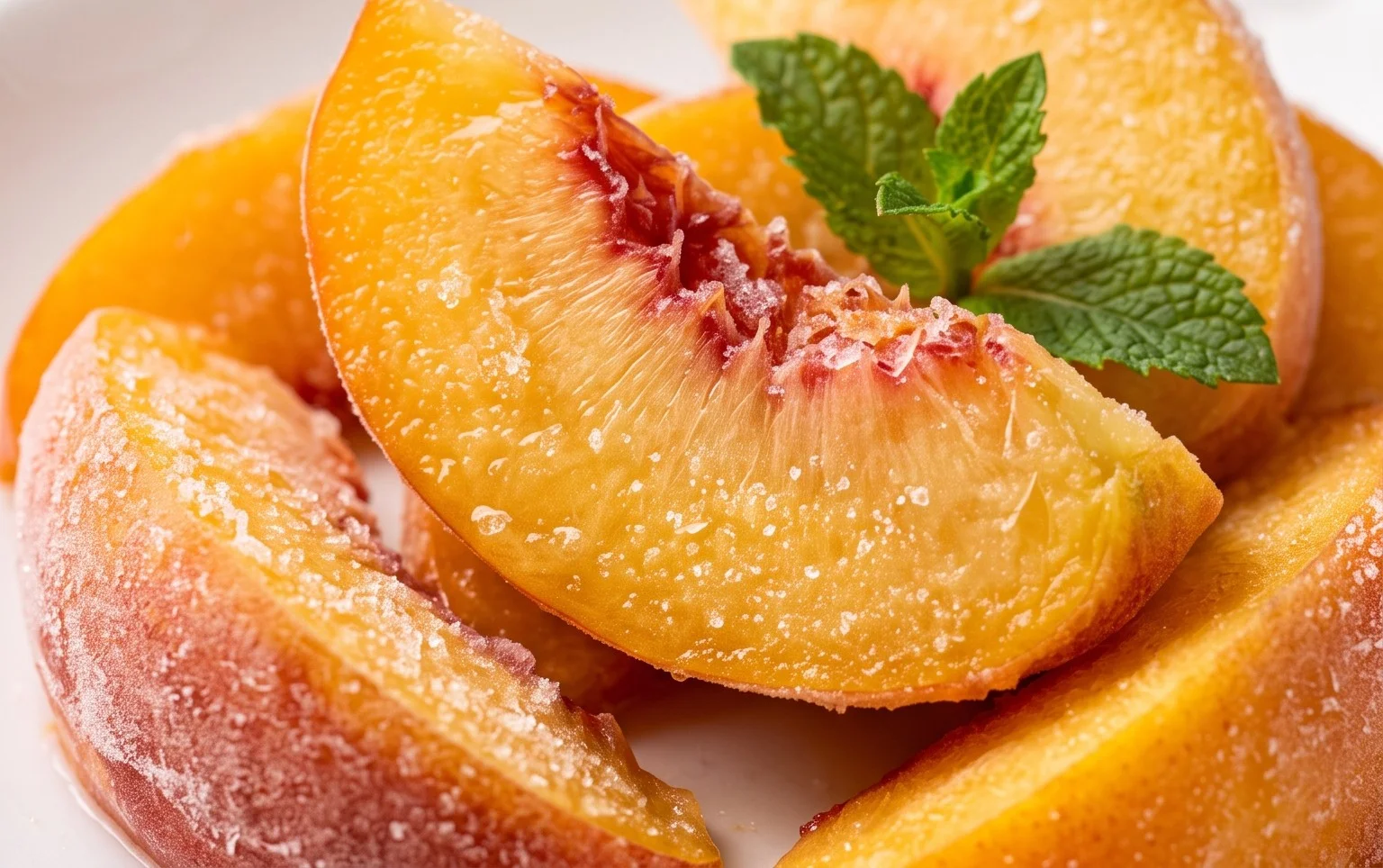
Don’t forget to label your packages! Use a permanent marker to write the contents (“Frozen Peaches”) and the date you froze them. This helps you keep track of your inventory and ensures you use the oldest batches first. Store your packaged peaches in the freezer. Properly frozen peaches can last for about 8-12 months.
Enjoying your frozen peaches is as simple as pulling them out of the freezer when you need them. Thaw them in the refrigerator overnight for best results, or use them directly in cooked applications like smoothies or baked goods. Happy freezing!
Conclusion:
Freezing peaches is a fantastic way to preserve their sweet, summery flavor to enjoy long after the season has passed. As we’ve explored, this method is incredibly straightforward and requires minimal effort, making it accessible for everyone. Imagin extracte pulling a bag of perfectly preserved, vibrant peaches from your freezer for a smoothie in the dead of winter, or using them to create a delicious cobbler for a cozy evening. The versatility of frozen peaches is truly a game-changer! Whether you’re a seasoned baker or just starting out, I wholeheartedly encourage you to give freezing peaches a try. It’s a simple process that yields delicious rewards.
Don’t be afraid to get creative! Beyond the basic preparation, consider freezing sliced peaches with a little lemon juice for an extra burst of freshness. They’re perfect for adding to oatmeal, yogurt, or as a topping for pancakes. For a more complex dish, thawed peaches can be simmered into a compote or sauce to accompany grilled beef or chicken.
Frequently Asked Questions:
How long do frozen peaches last?
When properly frozen and stored, peaches can maintain their quality for approximately 8-12 months. While they may still be safe to consume beyond this, their texture and flavor might start to degrade.
Can I freeze peaches without sugar?
Absolutely! While a touch of sugar or lemon juice can help preserve color and prevent oxidation, it’s not strictly necessary, especially if you plan to use them soon. You can also freeze them dry-packed, ensuring they are completely dry before packagin extractg to prevent ice crystals.
What’s the best way to thaw frozen peaches?
For most uses, simply transfer the frozen peaches to the refrigerator overnight. If you need them more quickly, you can place the senon-alcoholic aled bag in a bowl of cool water. Avoid thawing at room temperature for extended periods, as this can lead to a mushier texture.
Freezing Peaches, How to Easily Freeze Peaches
A simple guide to preserving fresh peaches by freezing them for later use. This method ensures your peaches retain their flavor and texture.
Ingredients
-
{‘@type’: ‘Ingredient’, ‘name’: ‘Peaches’, ‘quantity’: ‘1’, ‘unit’: ‘quart’}
-
{‘@type’: ‘Ingredient’, ‘name’: ‘Sugar’, ‘quantity’: ‘2/3’, ‘unit’: ‘cup’}
-
{‘@type’: ‘Ingredient’, ‘name’: ‘Fruit Protector’, ‘quantity’: ‘3’, ‘unit’: ‘teaspoons’}
-
{‘@type’: ‘Ingredient’, ‘name’: ‘Water’, ‘quantity’: ‘1’, ‘unit’: ‘cup’}
-
{‘@type’: ‘Ingredient’, ‘name’: ‘Lemon Juice’, ‘quantity’: ‘1’, ‘unit’: ‘tablespoon’}
-
{‘@type’: ‘Ingredient’, ‘name’: ‘Pork Fat’, ‘quantity’: ‘2’, ‘unit’: ‘tablespoons’}
Instructions
-
Step 1
Wash and peel the peaches. Slice them in half, remove the pits, and then cut into desired slices or halves. -
Step 2
In a large bowl, gently toss the peach slices with the Fruit Protector. This helps prevent browning. -
Step 3
In a separate saucepan, combine the sugar and water. Heat gently until the sugar dissolves, creating a simple syrup. Stir in the lemon juice. -
Step 4
Gently stir in the melted pork fat into the simple syrup. This adds a rich texture, though it’s optional. -
Step 5
Place the prepared peach slices into freezer-safe bags or containers. Pour the simple syrup mixture over the peaches, ensuring they are fully covered. -
Step 6
Remove as much air as possible from the bags before sealing. Label with the date and freeze for up to 9-12 months.
Important Information
Nutrition Facts (Per Serving)
It is important to consider this information as approximate and not to use it as definitive health advice.
Allergy Information
Please check ingredients for potential allergens and consult a health professional if in doubt.