BEST Classic Italian Tiramisu Recipe-Easy Dessert
BEST Classic Italian Tiramisu Recipe – if you’re dreaming of a dessert that whispers of Italian sunshine and indulgent comfort, you’ve found it. There’s something universally magical about tiramisu; its name, meaning “pick me up,” perfectly captures the delightful sensation it brings to the palate. It’s no wonder this iconic Italian dessert has captured hearts and taste buds around the globe. But what truly sets a BEST Classic Italian Tiramisu Recipe apart? It’s the harmonious balance of textures and flavors: the subtle bitterness of coffee-soaked ladyfingers, the creamy sweetness of mascarpone cheese, the dusting of rich cocoa, and that hint of liqueur extract that elevates it from simply delicious to utterly divine. This isn’t just a dessert; it’s an experience, a moment of pure bliss that transports you straight to a Roman piazza. Get ready to create your own slice of Italian heaven with this truly unforgettable BEST Classic Italian Tiramisu Recipe.
The BEST Classic Italian Tiramisu Recipe
Tiramisu. Just the name conjures images of rich, creamy layers, a hint of coffee bitterness, and a delicate dusting of cocoa. For many, it’s the quintessential Italian dessert, a harmonious balance of textures and flavors that’s both decadent and surprisingly light. And while there are countless variations, the classic Italian Tiramisu, made with love and a few key ingredients, is truly something special. Today, I’m sharing my go-to recipe, a method that consistently delivers that authentic, melt-in-your-mouth experience. It’s a dessert that feels sophisticated enough for a dinner party but is simple enough to whip up for a cozy evening at home. The magic lies in the quality of the ingredients and the careful assembly, so let’s dive in!
Ingredients:
Instructions:
This recipe offers two paths for achieving the light and airy creaminess characteristic of tiramisu: one using whipped heavy cream, and the other, a more traditional Italian approach, using whipped egg whites. Both yield fantastic results, so feel free to choose the one that best suits your preference or ingredient availability. I’ll detail the method using heavy cream for this guide, as it’s often a bit more straightforward for home cooks.
1. Prepare the Coffee Mixture: First things first, let’s get our coffee ready. Brew a strong batch of black coffee – espresso is ideal if you have a machine, but a very strong drip coffee will also work. You want a rich, intense flavor that will stand up to the creamy mascarpone. Allow it to cool completely to room temperature. This is crucial; if the coffee is hot, it will melt the mascarpone and make the ladyfingers too soggy. Once cooled, pour it into a shallow dish or bowl. I like to add a tablespoon of coffee liqueur extract or dark rum extract to this mixture for an extra layer of flavor, but it’s entirely optional.
2. Create the Rich Mascarpone Cream Base: In a medium bowl, whisk together the 4 egg yolks, 2/3 cup granulated or caster sugar, and 1/4 teaspoon of salt. You want to whisk this vigorously until the mixture becomes pnon-alcoholic ale yellow and slightly thickened. This process is often called making a “sabayon” or “zabaglione” base. A good way to check if it’s ready is to lift the whisk; the mixture should fall from the whisk in thick ribbons that slowly disappear back into the bowl. This incorporates air and helps to stabilize the cream. Next, add the cold Mascarpone cheese. Gently fold the Mascarpone into the yolk mixture until just combined and smooth. Be careful not to overmix at this stage; we want to maintain the integrity of the cheese. Stir in the vanilla extract. The goal here is a smooth, luscious cream.
3. Whip the Heavy Cream (or Egg Whites): If you’re using heavy cream, ensure it’s very cold. In a separate, clean bowl (preferably chilled), whip the 1 1/2 cups of heavy cream with an electric mixer on medium-high speed until stiff peaks form. This means when you lift the beater, the cream will stand up on its own. Again, avoid overwhipping, as it can turn the cream buttery. If you’re opting for the egg white method, you would have reserved 1/3 cup of sugar. In a separate, very clean bowl, whip the 4 egg whites with a pinch of salt until frothy. Gradually add the reserved 1/3 cup of sugar, a tablespoon at a time, while continuing to whip on high speed. Continue whipping until stiff, glossy peaks form, similar to the heavy cream.
4. Gently Combine the Creamy Elements: Now, it’s time to bring everything together. Gently fold about one-third of the whipped heavy cream (or egg whites) into the Mascarpone mixture to lighten it. Then, carefully fold in the remaining whipped cream (or egg whites) until no streaks remain. The key here is to fold, not stir, using a spatula to gently lift the cream from the bottom of the bowl and fold it over the lighter mixture. This preserves the airiness we’ve worked so hard to incorporate, ensuring a light and fluffy tiramisu.
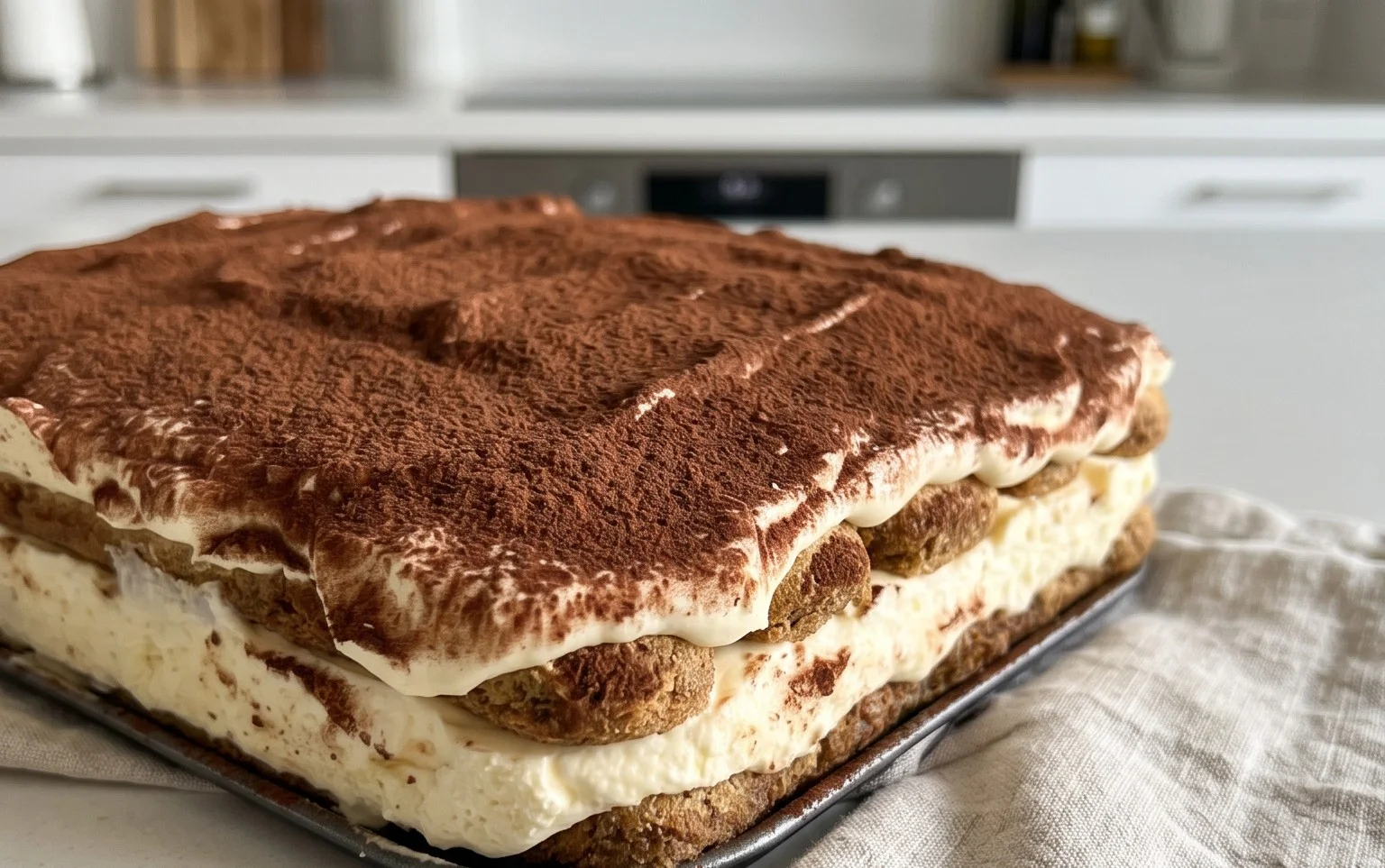
5. Assemble the Tiramisu Layers: Now for the fun part: building your tiramisu! Working one by one, quickly dip each ladyfinger into the cooled coffee mixture. Don’t let them soak for too long, just a quick dip on each side – about 1-2 seconds per ladyfinger. You want them to absorb enough coffee to be moist but not so much that they disintegrate. Arrange the dipped ladyfingers in a single layer at the bottom of your serving dish. I usually use a 9×13 inch baking dish or a similar-sized glass container. Once the bottom layer of ladyfingers is in place, spread half of the Mascarpone cream mixture evenly over the top. Repeat the dipping and arrangin extractg process with the remaining ladyfingers for a second layer, and then spread the rest of the Mascarpone cream evenly over the second layer of ladyfingers. Smooth the top with your spatula.
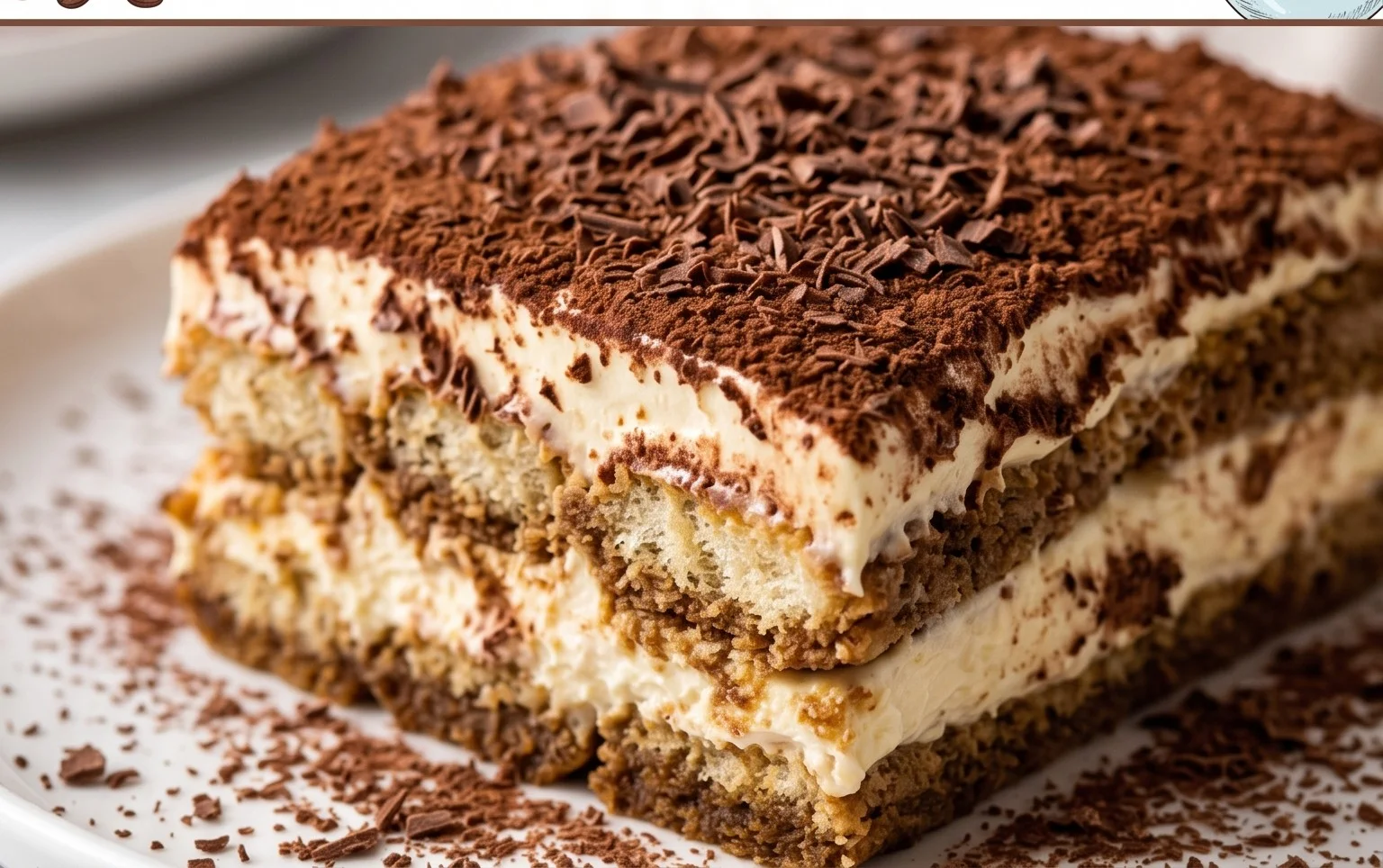
6. Chill and Serve: Cover the dish tightly with plastic wrap and refrigerate for at least 4 hours, but preferably overnight. This chilling time is absolutely essential for the flavors to meld and the tiramisu to set properly. The ladyfingers will soften beautifully, and the cream will become wonderfully firm. Just before serving, dust the top generously with unsweetened cocoa powder using a fine-mesh sieve. This final touch adds a beautiful visual appeal and a slight bitterness that complements the sweetness of the cream. Slice and enjoy this classic Italian masterpiece!
Conclusion:
I hope you’re as excited to try this BEST Classic Italian Tiramisu recipe as I am to share it with you! This recipe truly captures the essence of authentic tiramisu, with its perfect balance of coffee-soaked ladyfingers, creamy mascarpone, and a hint of cocoa. It’s surprisingly straightforward to make, yet delivers a dessert that feels incredibly elegant and decadent. The key is using good quality ingredients – especially the mascarpone and strong espresso – which really make a difference. Don’t be intimidated; the simple assembly is part of its charm, and the magic happens as it chills and the flavors meld together beautifully.
For serving, a dusting of cocoa powder right before you bring it to the table is essential for that classic look. I love serving it on its own, allowing its rich flavors to shine, but a few fresh berries or a drizzle of chocolate sauce can add a lovely touch. If you’re feeling adventurous, consider a variation by adding a splash of Marsala grape juice or amaretto extract to the coffee for an extra layer of complexity. But honestly, the classic version is so good, it doesn’t really need much tinkering. I wholeheartedly encourage you to give this recipe a go; it’s a guaranteed crowd-pleaser and a truly rewarding dessert to create.
Frequently Asked Questions:
Can I make this tiramisu ahead of time?
Absolutely! In fact, I highly recommend it. Tiramisu benefits greatly from chilling time, allowing the ladyfingers to soften and the flavors to meld. You can make it a day in advance, and it will be even more delicious the next day.
What kind of coffee should I use for the BEST Classic Italian Tiramisu Recipe?
A strong, good-quality espresso is ideal for the authentic flavor. If you don’t have an espresso machine, you can use very strongly brewed coffee, like Moka pot coffee or French press coffee. Just ensure it’s cooled before dipping the ladyfingers.
Can I substitute the mascarpone cheese?
While mascarpone is crucial for the authentic creamy texture and rich flavor of tiramisu, if you absolutely cannot find it, a mixture of full-fat cream cheese and heavy whipping cream can be a distant substitute. However, the flavor and texture will be noticeably different from the classic version.
BEST Classic Italian Tiramisu Recipe
A rich and creamy classic Italian Tiramisu, made with mascarpone cheese, coffee-soaked ladyfingers, and a light cocoa dusting.
Ingredients
-
16 oz Mascarpone cheese, cold from the fridge
-
4 egg yolks
-
2/3 cup granulated or caster sugar
-
1 tsp vanilla extract
-
1/4 tsp salt
-
1 1/2 cup heavy cream, chilled
-
30-36 ladyfingers
-
1 1/2 cup strong black coffee, room temperature
-
2 tbsp cocoa powder
Instructions
-
Step 1
In a large bowl, whisk together the egg yolks, sugar, vanilla extract, and salt until pale and creamy. -
Step 2
In a separate bowl, whip the heavy cream until stiff peaks form. Gently fold the whipped cream into the egg yolk mixture until just combined. Do not overmix. -
Step 3
Quickly dip each ladyfinger into the room temperature coffee, ensuring they are coated but not soggy. Arrange a single layer of dipped ladyfingers in the bottom of your serving dish. -
Step 4
Spread half of the mascarpone cream mixture evenly over the ladyfingers. -
Step 5
Repeat with another layer of coffee-dipped ladyfingers and the remaining mascarpone cream mixture. -
Step 6
Cover the dish and refrigerate for at least 4 hours, or preferably overnight, to allow the flavors to meld and the tiramisu to set. -
Step 7
Just before serving, generously dust the top with cocoa powder using a fine-mesh sieve.
Important Information
Nutrition Facts (Per Serving)
It is important to consider this information as approximate and not to use it as definitive health advice.
Allergy Information
Please check ingredients for potential allergens and consult a health professional if in doubt.