Authentic Chimichurri Sauce Recipe – Easy & Fresh
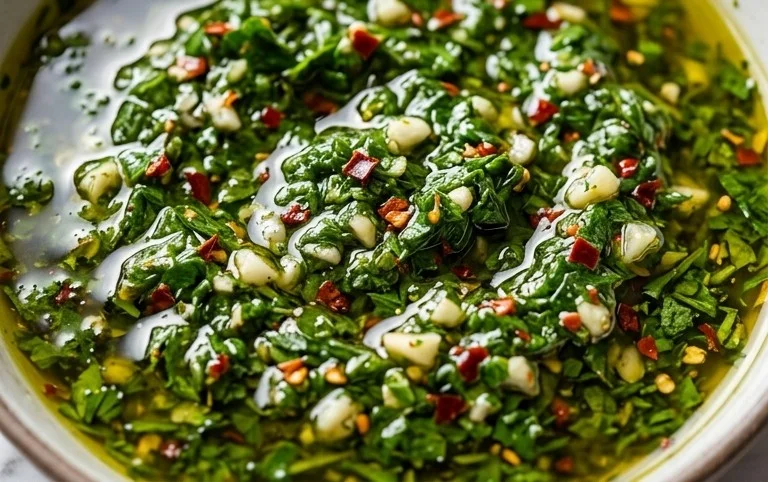
Chimichurri sauce recipe: the vibrant, herbaceous condiment that can transform any meal from ordinary to extraordinary. Have you ever tasted a dish kissed by this Argentinian magic and wondered how to capture that bright, zesty flavor in your own kitchen? You’re not alone! Chimichurri is beloved for its incredible versatility and its ability to cut through rich meats, add a refreshing zing to grilled vegetables, or even elevate a simple piece of toast. What makes this sauce so special is its perfect balance of fresh parsley and oregano, the pungent kick of garlic, and the subtle warmth of chili flakes, all brought together with a bright, tangy vinegar base. This isn’t just a sauce; it’s an experience. Learning to make your own chimichurri sauce recipe is a game-changer, and I’m so excited to share my go-to version with you!
Chimichurri Sauce Recipe
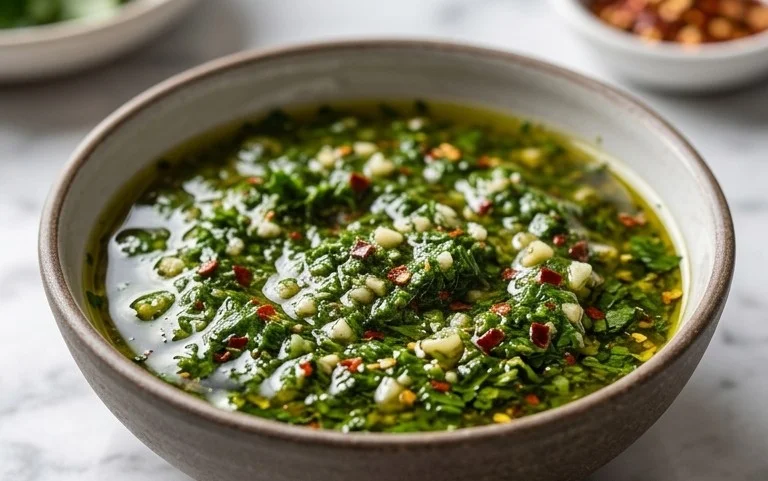
There’s something incredibly vibrant and undeniably delicious about a fresh, herbaceous chimichurri sauce. This Argentinian staple is more than just a condiment; it’s a flavor explosion that can elevate grilled meats, roasted vegetables, and even simple bread. Forget those store-bought versions that often fall flat. Making your own chimichurri is surprisingly easy and the difference in taste is phenomenal. The bright, zesty, and slightly spicy notes are a perfect counterpoint to richer dishes, cutting through fat and adding a delightful freshness to every bite. I love having a jar of this in my fridge, ready to be spooned over everything from steak to chicken to fish. It’s also fantastic drizzled over roasted potatoes or as a dip for warm, crusty bread.
The beauty of chimichurri lies in its simplicity and the quality of its ingredients. It’s a raw sauce, meaning no cooking is involved, which preserves the vibrant color and fresh, pungent flavors of the herbs and aromatics. The balance of parsley, cilantro, oregano, onion, garlic, and vinegar creates a complex yet harmonious taste that’s truly addictive. Ready to transform your next meal? Let’s get started!
Ingredients:
Crafting Your Chimichurri Masterpiece
The process of making chimichurri is all about fresh ingredients and a gentle hand. You want to chop the ingredients finely enough to release their flavors but not so much that they turn into a paste. The goal is a beautifully textured sauce with distinct pieces of herbs and aromatics suspended in a vibrant dressing. I find using a good sharp knife for chopping by hand gives me the best control over the texture, but a food processor can also be used with careful pulses to avoid over-processing. Let’s dive into the steps to create this magical sauce.
Step 1: Prepare the Fresh Herbs
The foundation of any great chimichurri is fresh, high-quality herbs. Start by washing your parsley, cilantro, and oregano thoroughly and patting them completely dry with paper towels. This is a crucial step to prevent your sauce from becoming watery. Next, meticulously remove the stems from the parsley, cilantro, and oregano. You only want the tender leaves. For the parsley and cilantro, this is usually straightforward. For the oregano, the stems can be a bit tougher, so be sure to pinch them off or trim them with your knife. Once you have your beautiful piles of herb leaves, give them a fine chop. Aim for a finely minced consistency. Don’t rush this part; the more evenly you chop, the better the distribution of flavor in your final sauce. You’ll be looking for about 1 cup of chopped parsley, 1/4 cup of chopped cilantro, and 1/4 cup of chopped oregano. It might seem like a lot of herbs, but they mellow out beautifully once mixed with the other ingredients.
Step 2: Mince the Aromatics
Next up are the aromatics that will add depth and pungency to your chimichurri. Take your roughly chopped red onion or shallots and give them a very fine mince. If you’re using shallots, they tend to be a bit milder and sweeter, which can be a lovely alternative to red onion. For the garlic, peel your three cloves and then mince them very finely. You can also use a garlic press if you prefer, but make sure to get all the little bits incorporated. The red pepper flakes are optional, but I highly recommend them for a touch of heat that really balances the richness of the other ingredients. If you like it spicier, feel free to add a little more, but start with the 1/2 teaspoon and you can always add more to taste later.
Step 3: Combine the Dry and Wet Ingredients
In a medium-sized bowl, combine all your prepared chopped herbs, minced red onion (or shallots), minced garlic, and red pepper flakes. Now it’s time to bring in the liquids. Pour in the extra-virgin extract olive oil. I always opt for a good quality extra-virgin extract olive oil as its fruity notes will really shine through in this sauce. Next, add the red grape juice vinegar. The grape juice vinegar provides a lovely tang that’s a bit different from your standard red grape juice vinegar, with a subtle sweetness that complements the herbs. Finally, squeeze in the fresh lemon juice. Fresh lemon juice is essential here; bottled juice just doesn’t have the same bright, zesty punch. Add the kosher salt. Kosher salt has a coarser grain than table salt, which I find distributes flavor more evenly and provides a pleasant little texture.
Step 4: Emulsify and Season
Now for the magic! Whisk all the ingredients together vigorously. You want to emulsify the oil and vinegar, creating a beautifully blended sauce. As you whisk, you’ll notice the vibrant green color of the herbs becoming more prominent and the ingredients starting to meld together. Continue whisking for at least a minute or two until the dressing appears well combined and slightly thickened. Taste your chimichurri at this point. This is your chance to adjust the seasonings. Does it need more salt? A little more tang from the lemon juice or vinegar? Perhaps a pinch more red pepper flakes for heat? Don’t be afraid to tweak it to your personal preference. Remember, the flavors will continue to meld and deepen as it sits.
Step 5: Let the Flavors Meld
This is perhaps the most important, yet simplest, step. Once you’ve combined and seasoned your chimichurri, cover the bowl tightly with plastic wrap or transfer the sauce to an airtight container. Refrigerate for at least 30 minutes, but I strongly recommend letting it sit for an hour or even two. This resting period is crucial for the flavors to truly meld and deepen. The garlic will mellow slightly, the herbs will infuse their essence into the oil and vinegar, and the overall taste will become more harmonious and complex. If you’re in a hurry, you can serve it right away, but the patient approach will yield a far superior sauce. You can also make this chimichurri a day in advance, which makes it perfect for meal prepping or for when you’re entertaining.
To serve, give the chimichurri a good stir before spooning it generously over your favorite grilled steak, chicken, fish, or roasted vegetables. It’s a versatile sauce that brings a burst of freshness and flavor to any dish. Enjoy!
Conclusion:
You’ve now got the blueprint for the most vibrant and flavorful Chimichurri Sauce Recipe! This isn’t just a sauce; it’s a flavor revolution waiting to happen in your kitchen. Its beauty lies in its simplicity – fresh herbs, garlic, a touch of spice, and bright acidity – coming together to create something truly extraordinary. It’s incredibly versatile, transforming ordinary grilled meats into something spectacular, but its magic doesn’t stop there. Think of it drizzled over roasted vegetables, spooned onto fish tacos, or even used as a zesty marinade. Don’t be afraid to experiment! While this recipe provides a fantastic foundation, feel free to adjust the chili flakes for your preferred heat level or even add a sprig of mint for an unexpected twist. I truly encourage you to give this amazing Chimichurri sauce recipe a try; I promise it will quickly become a staple in your culinary repertoire. It’s a guaranteed crowd-pleaser and elevates every dish it touches.
Frequently Asked Questions:
Can I store this Chimichurri sauce for later?
Absolutely! This Chimichurri sauce keeps wonderfully in the refrigerator. Store it in an airtight container for up to a week. The flavors often meld and deepen even further after a day or two, making it even more delicious. Just give it a good stir before serving.
What are some other great ways to use Chimichurri sauce?
Beyond grilled meats, Chimichurri is fantastic! Try it as a dip for bread, drizzled over grilled or roasted vegetables like asparagus or bell peppers, as a topping for eggs, or even mixed into potato salad for a fresh kick. It’s also a wonderful marinade for chicken or beef.
Can I make this sauce spicier or less spicy?
Definitely! The red pepper flakes are your primary tool for controlling the heat. For a spicier sauce, add more red pepper flakes. For a milder version, reduce or omit them entirely. You can also add a finely minced jalapeño or serrano pepper for an extra layer of heat and flavor, removing the seeds and membranes for less intensity.
Chimichurri Sauce Recipe
A vibrant and herbaceous Argentinian sauce, perfect for marinating and topping grilled meats, especially pork and beef.
Ingredients
-
1 cup fresh Italian flat-leaf parsley, leaves only, stems removed
-
1/4 cup fresh cilantro, leaves only, stems removed
-
1/4 cup fresh oregano, leaves only, stems removed
-
1/3 cup roughly chopped red onion
-
3 cloves garlic, peeled
-
1/2 teaspoon red pepper flakes
-
1/2 cup extra-virgin olive oil
-
1/4 cup red grape juice vinegar
-
3 tablespoons fresh lemon juice
-
1 teaspoon kosher salt
Instructions
-
Step 1
Finely chop the fresh parsley, cilantro, and oregano. You can do this by hand or pulse them briefly in a food processor. -
Step 2
In a bowl, combine the chopped herbs with the roughly chopped red onion and minced garlic. -
Step 3
Add the red pepper flakes, extra-virgin olive oil, red grape juice vinegar, and fresh lemon juice to the bowl. -
Step 4
Stir in the kosher salt. Mix everything thoroughly until well combined. -
Step 5
For best flavor, let the chimichurri sauce sit at room temperature for at least 15 minutes before serving to allow the flavors to meld. -
Step 6
Taste and adjust seasoning if necessary.
Important Information
Nutrition Facts (Per Serving)
It is important to consider this information as approximate and not to use it as definitive health advice.
Allergy Information
Please check ingredients for potential allergens and consult a health professional if in doubt.