The Best NYT Chocolate Chip Cookies Recipe
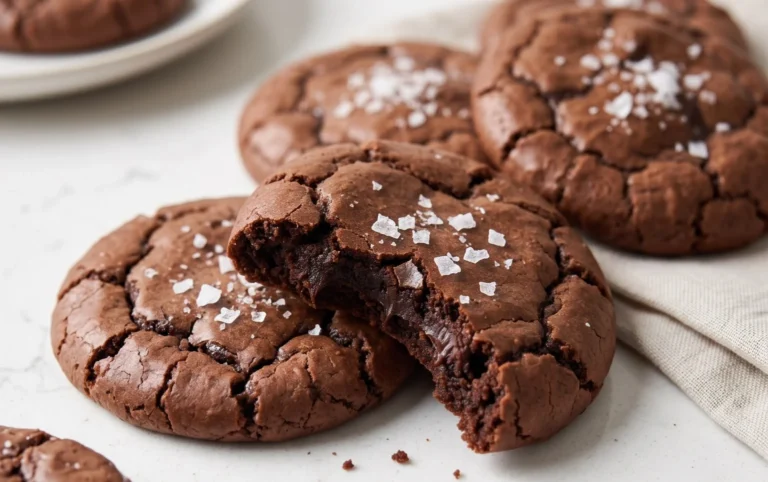
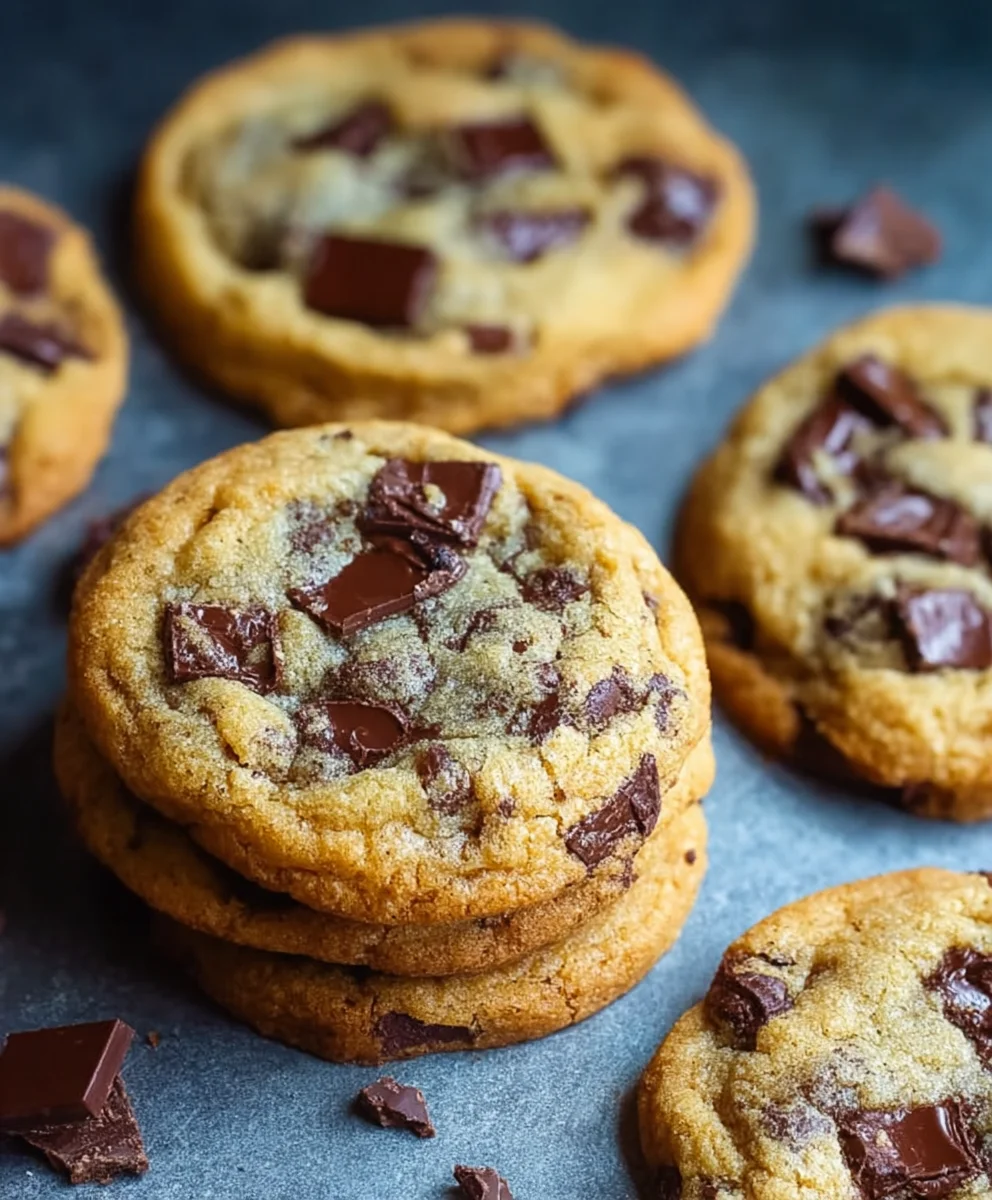
New York Times Chocolate Chip Cookies are more than just a dessert; they’re an experience. There’s a reason why this particular recipe has captured the hearts (and taste buds) of so many, becoming a benchmark for what a truly exceptional chocolate chip cookie should be. It’s that perfect balance of chewy centers and slightly crisp edges, the generous pockets of melty chocolate, and a subtle hint of sea salt that elevates each bite from ordinary to extraordinary. People flock to this recipe not just for the incredible flavor, but for the promise of that universally loved, comforting cookie that tastes like it came straight from a beloved bakery. What makes these New York Times Chocolate Chip Cookies truly special is the thoughtful technique and ingredient selection that ensures a consistently divine outcome, transforming a simple sweet treat into something genuinely memorable and utterly crave-able.
Ingredients:
- 1 1/2 cups all-purpose flour
- 1 1/2 teaspoons cornstarch
- 3/4 teaspoon baking soda
- 1/4 teaspoon salt
- 1/2 cup unsalted butter, melted and cooled to room temperature
- 1/2 cup light brown sugar, packed
- 1/4 cup granulated sugar
- 1 large egg
- 1 1/2 teaspoons pure vanilla extract
- 3 ounces semi-sweet chocolate chips (plus more for garnish)
- 3 ounces semi-sweet chocolate chunks (plus more for garnish)
- 2 ounces dark chocolate, finely grated
Preparing the Cookie Dough
Step 1: Combine Dry Ingredients
First things first, let’s get our dry ingredients prepped. In a medium-sized bowl, whisk together the all-purpose flour, cornstarch, baking soda, and salt. The cornstarch is a little secret ingredient that helps create a tender and chewy cookie, so don’t skip it! Whisking these together thoroughly ensures that the leavening agents and salt are evenly distributed throughout the flour, which will lead to consistent cookie rise and flavor. Once combined, set this bowl aside.
Step 2: Cream the Sugars and Butter
Now, let’s move on to the wet ingredients. In a large bowl, combine the unsalted butter that has been melted and cooled to room temperature. It’s important that the butter isn’t hot when you add it to the sugars, as hot butter can start to cook the sugars prematurely and affect the final texture. To the cooled butter, add the packed light brown sugar and the granulated sugar. Use a whisk or an electric mixer on medium speed to cream these ingredients together until the mixture is light and fluffy. This process incorporates air into the dough, which contributes to the cookie’s overall structure and chegrape juicess. Aim for about 2-3 minutes of creaming until you see a noticeable change in the color and texture.
Step 3: Incorporate Egg and Vanilla
Once your butter and sugar mixture is beautifully creamed, it’s time to add the egg and vanilla extract. Add the large egg to the bowl. Beat it into the mixture until it’s fully incorporated and the batter is smooth. Then, add the pure vanilla extract. Vanilla is a flavor enhancer, and the amount here is just right to complement the richness of the chocolate and butter without overpowering it. Continue to mix until everything is well combined and you have a cohesive batter.
Step 4: Combine Wet and Dry Ingredients
Now for the magic of bringin extractg it all together. Gradually add the dry ingredient mixture (from Step 1) to the wet ingredient mixture (from Step 3). Mix on low speed or by hand with a spatula until just combined. Be careful not to overmix at this stage! Overmixing can develop the gluten in the flour too much, leading to tough cookies. You want to mix until you no longer see streaks of dry flour. It’s okay if there are a few tiny lumps; they will disappear during baking.
Step 5: Fold in the Chocolates
This is arguably the most exciting part! Gently fold in the semi-sweet chocolate chips, semi-sweet chocolate chunks, and the finely grated dark chocolate. Use a spatula to incorporate these delicious additions into the dough. We’re using a mix of chips, chunks, and grated chocolate for a wonderful depth of chocolate flavor and texture in every bite. The chips will provide lovely pools of melted chocolate, the chunks will offer satisfying bites of soft chocolate, and the grated dark chocolate will melt into the cookie, creating a rich, complex chocolatey base. Again, fold just until they are evenly distributed throughout the dough.
Step 6: Chill the Dough (Crucial for Texture!)
This step is non-negotiable if you want the best New York Times Chocolate Chip Cookies. Cover the bowl tightly with plastic wrap and refrigerate the dough for at least 24 hours, and up to 72 hours. Yes, a full 24 hours! This chilling period allows the flour to hydrate fully, which results in a chewier cookie with a more developed flavor. It also solidifies the fat, which prevents the cookies from spreading too much during baking, leading to thicker, fudgier cookies. The longer you chill, the better the flavor and texture will be.
Baking the Cookies
Step 7: Preheating and Preparing Baking Sheets
When you’re ready to bake, preheat your oven to 350°F (175°C). Line baking sheets with parchment paper or silicone baking mats. Parchment paper is excellent for preventing sticking and ensures even baking on the bottom.
Step 8: Scooping agin extractArranging the Dough
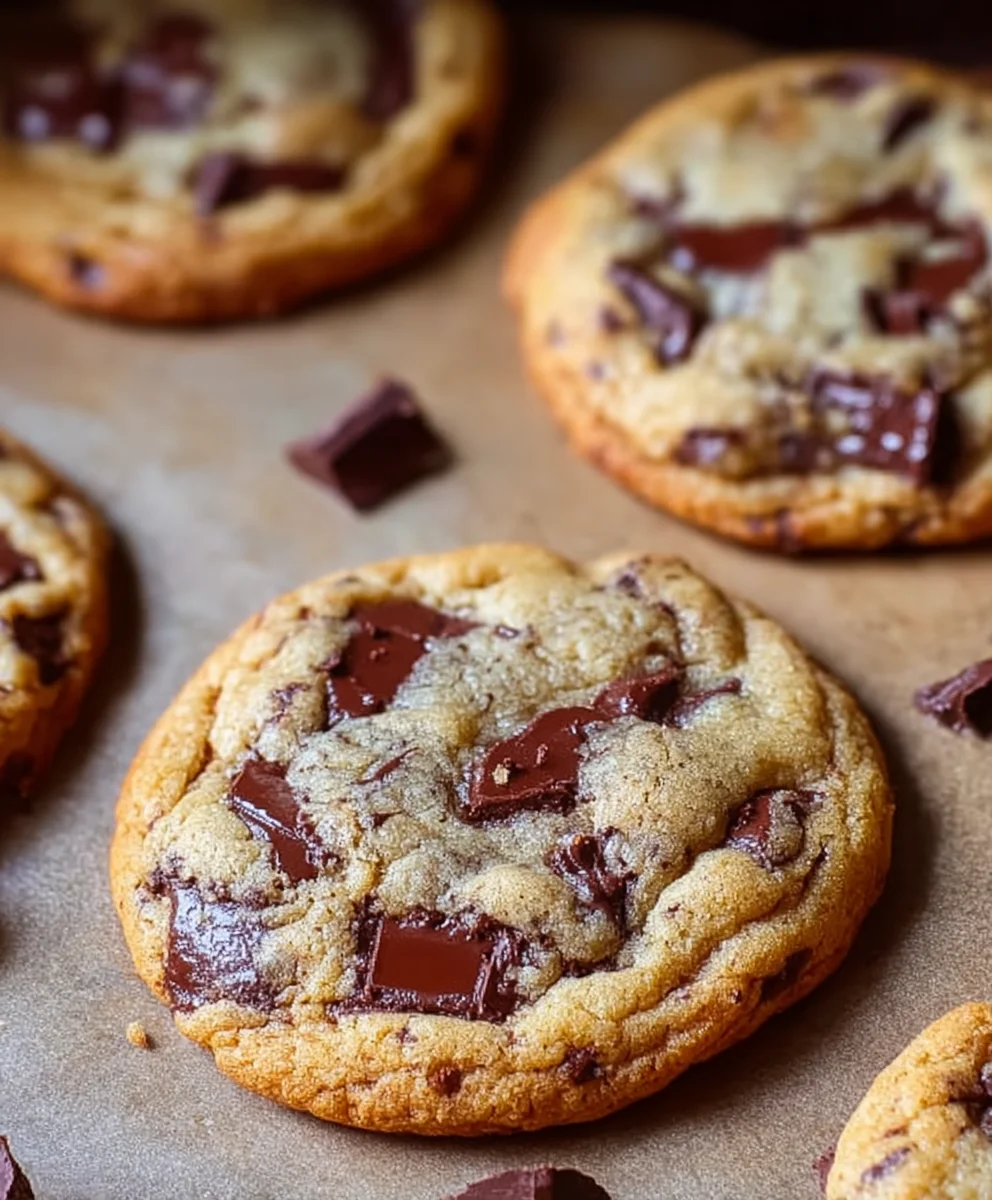
Remove the chilled dough from the refrigerator. For perfectly sized cookies, I like to use a large cookie scoop (about 2-3 tablespoons). Scoop mounds of dough and place them onto the prepared baking sheets, leaving about 2 inches of space between each cookie. This is important because the cookies will spread as they bake. If you want that signature look of extra chocolate on top, now is the time to gently press a few extra chocolate chips and chunks onto the top of each dough ball.
Step 9: Baking the Cookies
Bake for 10-13 minutes, or until the edges are golden brown and the centers are still slightly soft and look underbaked. The cookies will continue to bake and set up on the hot baking sheet after they are removed from the oven, so it’s better to err on the side of slightly underbaked for that perfect chewy center. Watch them closely during the last few minutes of baking, as ovens can vary.
Step 10: Cooling the Cookies
Once baked, let the cookies cool on the baking sheets for about 5-10 minutes before transferring them to a wire rack to cool completely. This resting period on the baking sheet is vital for the cookies to firm up enough to be moved without falling apart. Once on the wire rack, they will cool completely, allowing the flavors to meld and the texture to become perfect. Enjoy these incredible cookies warm or at room temperature.
Conclusion:
There you have it – the ultimate guide to crafting those iconic New York Times Chocolate Chip Cookies! We’ve walked through every step, from selecting the finest ingredients to achieving that perfect balance of chewy center and crispy edge. These cookies aren’t just a treat; they’re an experience. Imagin extracte the aroma filling your kitchen, the joy of sharing warm, gooey cookies with loved ones, or simply savoring a moment of pure bliss with a glass of milk. Whether you’re a seasoned baker or just starting your cookie journey, I encourage you to dive in and create these delightful treats. Don’t be afraid to experiment with the variations we discussed; personalization is key to making them truly yours. Happy baking!
Frequently Asked Questions:
Why are my New York Times Chocolate Chip Cookies spreading too much?
Excessive spreading can often be due to a few factors. Ensure your butter is softened, not melted. If it’s too soft, the cookies will spread quickly. Also, avoid over-mixing the dough once the flour is added, as this can develop the gluten too much, leading to spread. Chilling the dough for at least 30 minutes before baking can also help prevent this.
Can I make the New York Times Chocolate Chip Cookies dough ahead of time?
Absolutely! The dough for New York Times Chocolate Chip Cookies can be made up to 2-3 days in advance and stored in the refrigerator. In fact, chilling the dough often enhances the flavor and texture, as it allows the ingredients to meld together. Just bring the dough to room temperature slightly before scooping and baking.
The Best NYT Chocolate Chip Cookies
A highly-rated recipe for New York Times Chocolate Chip Cookies, known for their chewy texture and rich chocolate flavor.
Ingredients
-
1 1/2 cups all-purpose flour
-
1 1/2 teaspoons cornstarch
-
3/4 teaspoon baking soda
-
1/4 teaspoon salt
-
1/2 cup unsalted butter, melted and cooled to room temperature
-
1/2 cup light brown sugar, packed
-
1/4 cup granulated sugar
-
1 large egg
-
1 1/2 teaspoons pure vanilla extract
-
3 ounces semi-sweet chocolate chips
-
3 ounces semi-sweet chocolate chunks
-
2 ounces dark chocolate, finely grated
Instructions
-
Step 1
In a medium bowl, whisk together the all-purpose flour, cornstarch, baking soda, and salt. Set aside. -
Step 2
In a large bowl, cream together the melted and cooled unsalted butter, packed light brown sugar, and granulated sugar until light and fluffy. -
Step 3
Add the large egg and pure vanilla extract to the butter-sugar mixture and beat until fully incorporated and smooth. -
Step 4
Gradually add the dry ingredients to the wet ingredients, mixing on low speed or by hand until just combined. Do not overmix. -
Step 5
Gently fold in the semi-sweet chocolate chips, semi-sweet chocolate chunks, and finely grated dark chocolate until evenly distributed. -
Step 6
Cover the bowl tightly with plastic wrap and refrigerate the dough for at least 24 hours, and up to 72 hours. -
Step 7
Preheat oven to 350°F (175°C). Line baking sheets with parchment paper. -
Step 8
Scoop mounds of chilled dough onto prepared baking sheets, leaving about 2 inches between cookies. Press extra chocolate chips/chunks on top if desired. -
Step 9
Bake for 10-13 minutes, or until edges are golden brown and centers are still slightly soft. -
Step 10
Let cookies cool on baking sheets for 5-10 minutes before transferring to a wire rack to cool completely.
Important Information
Nutrition Facts (Per Serving)
It is important to consider this information as approximate and not to use it as definitive health advice.
Allergy Information
Please check ingredients for potential allergens and consult a health professional if in doubt.