Easy Dango Recipe-Sweet Japanese Dumplings-Quick & Simple
Easy Dango Recipe: Get ready to delight your taste buds with a delightful treat that’s surprisingly simple to make! Dango, those chewy, bite-sized Japanese dumplings, are a beloved confection for a reason. Their wonderfully soft and slightly bouncy texture, coupled with their often sweet and subtly savory glazes, makes them incredibly satisfying. What truly makes dango special is their versatility. They can be enjoyed plain, dipped in a sweet soy glaze like Mitarashi dango, coated in kinako (roasted soybean flour), or even served with anko (red bean paste). This easy dango recipe unlocks all those delicious possibilities, allowing you to recreate this authentic Japanese snack in your own kitchen with minimal fuss. Forget complicated steps; we’re focusing on pure, unadulterated dango joy that anyone can achieve!
Easy Dango Recipe
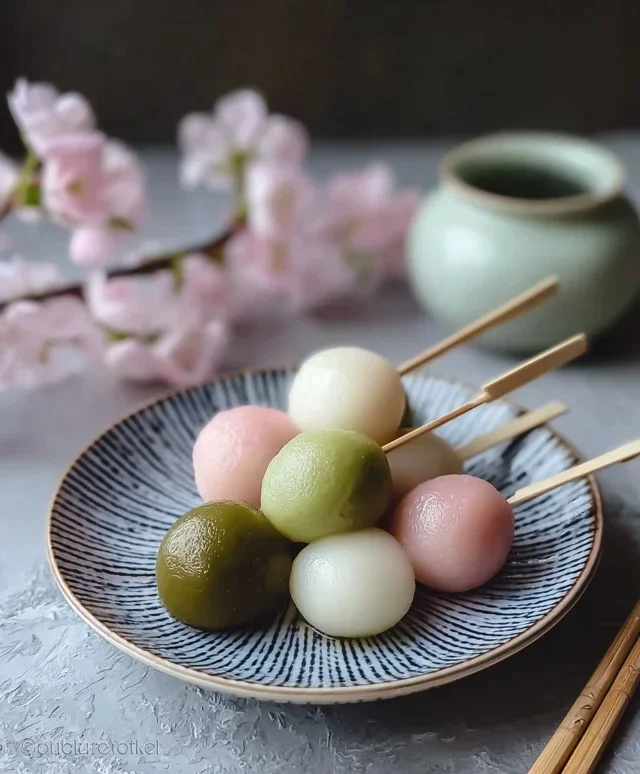
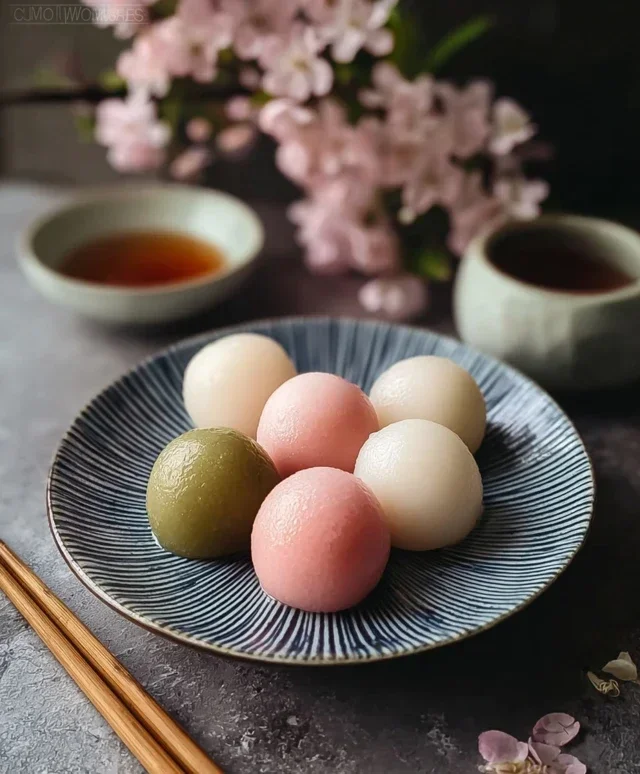
Dango, those delightful chewy mochi-like dumplings on a skewer, are a beloved Japanese sweet. Often enjoyed with a drizzle of sweet sauce or coated in kinako (roasted soybean flour), they are surprisingly simple to make at home. This recipe focuses on creating a classic dango dough that’s both easy to handle and incredibly satisfying. We’ll be making a batch of three beautiful colors to mimic the popular Hanami Dango, perfect for a festive treat or a simple afternoon pick-me-up. Don’t worry if you’re new to making Japanese sweets; this recipe breaks down each step so you can achieve perfect dango every time. The beauty of dango is its versatility, and once you master the basic dough, you can experiment with different toppings and flavors.
Ingredients:
Cooking Instructions:
1. Preparing the Dry Ingredients
The first step to perfectly chewy dango is to combine our dry ingredients. In a large mixing bowl, I like to whisk together the Joshinko and Shiratamako rice flours. Joshinko provides a slightly firmer texture, while Shiratamako gives that signature chewy, stretchy quality to the dango. If you’re opting for a sweeter dango, now is the time to add your powdered sugar. Whisk everything thoroughly to ensure there are no lumps and the flours are evenly distributed. This ensures a uniform texture throughout your dango. This step is crucial for developing the right consistency in the dough.
2. Incorporating the Hot Water
Next, we’ll gradually add the hot water to our dry mixture. Start by pouring about half of the hot water into the bowl. Using a spoon or a spatula, begin extract to mix the ingredients. The dough will start to come together, looking a bit shaggy at first. Continue adding the hot water, a little at a time, mixing constantly, until you have a cohesive dough. You might not need all of the water, or you might need a tiny bit more, depending on the humidity and the flours themselves. The goal is a soft, pliable dough that doesn’t stick excessively to your hands. It should be smooth and elastic. If the dough feels too dry, add a tablespoon of hot water at a time. If it feels too sticky, add a tablespoon of rice flour at a time.
3. Kneading and Dividing the Dough
Once you have a good dough consistency, it’s time to knead it lightly. Transfer the dough to a lightly floured surface and knead for about 3-5 minutes. You’re not looking for a fully developed gluten structure like bread; we just want to make sure everything is well combined and the dough is smooth. After kneading, divide the dough into three equal portions. One portion will be left plain (white), one will be infused with matcha, and the third will be colored pink.
4. Flavoring and Coloring the Dough
For the white dango, you don’t need to do anything further. For the matcha portion, place one-third of the dough in a small bowl. In a separate tiny bowl, mix the matcha powder with 1 teaspoon of water to create a smooth paste. Add this matcha paste to the dough and knead it until the color is evenly distributed. It might take a minute or two to fully incorporate. For the pink dango, place another third of the dough in a small bowl and add just one drop of pink food coloring. Knead until the color is uniform. Be careful not to overwork the dough at this stage, as it can make the dango tough. The goal is just to blend in the colors and flavors.
5. Shaping and Boiling the Dango
Take each portion of dough and roll it into small, bite-sized balls, about 1 inch in diameter. You can also roll them into slightly flattened discs or teardrop shapes if you prefer. It’s helpful to have a bowl of warm water nearby to dip your fingers in if the dough starts to stick while shaping. Once all your dango are formed, bring a large pot of water to a rolling boil. Carefully drop the dango balls into the boiling water. Don’t overcrowd the pot; cook them in batches if necessary. The dango will sink to the bottom at first. As they cook, they will rise to the surface. Once they float, let them boil for another 2-3 minutes to ensure they are cooked through.
6. Cooling and Serving
Using a slotted spoon, carefully remove the cooked dango from the boiling water. It’s a good idea to transfer them to a bowl of ice-cold water for a few minutes. This helps to stop the cooking process and gives them a firmer, more pleasant chewy texture. After chilling in the cold water, drain them well. You can then thread them onto skewers, typically 3-4 dango per skewer for the traditional Hanami Dango look. Serve immediately with your favorite toppings like sweet soy glaze (mitarashi), anko (sweet red bean paste), or kinako. Enjoy your homemade, delicious, and incredibly easy dango!
Conclusion:
And there you have it! Our easy dango recipe makes these delightful Japanese mochi balls incredibly accessible for home cooks. The beauty of this recipe lies in its simplicity and the satisfying chegrape juicess that results from just a few basic ingredients. It’s perfect for a quick sweet treat, a fun family activity, or even as an impressive, yet effortless, dessert to share with friends. I truly hope you give this delightful recipe a try!
Serving your freshly made dango is a joy. Traditionally, they are enjoyed skewered on a bamboo stick and coated in sweet sauces like mitarashi (a sweet soy glaze) or anko (red bean paste). You can also experiment with other toppings – a dusting of kinako (roasted soybean flour) or a drizzle of honey are delicious alternatives. For a festive touch, consider serving them alongside green tea or as part of a larger Japanese-inspired dessert platter.
Don’t be afraid to get creative with variations! You can add a touch of matcha powder to the dough for a subtle green tea flavor, or even a tiny amount of food coloring for vibrant, playful colors. Consider infusing the cooking water with a vanilla bean or a cinnamon stick for an aromatic twist. The possibilities are truly endless with this versatile base.
Frequently Asked Questions:
What is dango made of?
Our easy dango recipe primarily uses glutinous rice flour (also known as sweet rice flour) and a small amount of regular rice flour or all-purpose flour, combined with water to form a pliable dough. This combination creates that signature chewy texture.
Can I make dango ahead of time?
Yes, you can make the dango dough ahead of time and store it in the refrigerator for a day or two. However, it’s best to cook and serve them fresh for the optimal texture. If you do need to store cooked dango, keep them in an airtight container at room temperature and reheat them gently if needed.
What are the most popular dango sauces?
The most classic and beloved sauce is mitarashi, a sweet and savory glaze made from soy sauce, sugar, and a starch thickener. Anko, a sweet paste made from red beans, is another very popular topping. Experimenting with different sauces is part of the fun!
Easy Dango Recipe
A simple and quick recipe for making delicious Dango, a Japanese sweet rice dumpling, with optional coloring and sweetener.
Ingredients
-
{‘@type’: ‘Ingredient’, ‘name’: ‘Joshinko non-glutinous rice flour’, ‘amount’: ‘1 1/3 cup’, ‘unitText’: ‘cup’, ‘weight’: {‘@type’: ‘QuantitativeValue’, ‘value’: 150, ‘unitCode’: ‘g’}}
-
{‘@type’: ‘Ingredient’, ‘name’: ‘Shiratamako glutinous sweet rice flour’, ‘amount’: ‘1 1/2 cup’, ‘unitText’: ‘cup’, ‘weight’: {‘@type’: ‘QuantitativeValue’, ‘value’: 200, ‘unitCode’: ‘g’}}
-
{‘@type’: ‘Ingredient’, ‘name’: ‘Powdered sugar’, ‘description’: ‘Optional, to make it sweeter’, ‘amount’: ‘3/4 cup’, ‘unitText’: ‘cup’, ‘weight’: {‘@type’: ‘QuantitativeValue’, ‘value’: 75, ‘unitCode’: ‘g’}}
-
{‘@type’: ‘Ingredient’, ‘name’: ‘Hot water’, ‘amount’: ‘1 1/3 cup’, ‘unitText’: ‘cup’}
-
{‘@type’: ‘Ingredient’, ‘name’: ‘Matcha powder’, ‘amount’: ‘1 teaspoon’, ‘unitText’: ‘teaspoon’, ‘preparation’: ‘mixed with 1 tsp water’}
-
{‘@type’: ‘Ingredient’, ‘name’: ‘Pink food coloring’, ‘amount’: ‘1 drop’, ‘unitText’: ‘drop’}
Instructions
-
Step 1
In a large bowl, combine the Joshinko and Shiratamako flours. If using, add the powdered sugar and whisk to combine. -
Step 2
Gradually add the hot water to the flour mixture, stirring with chopsticks or a spatula until a shaggy dough forms. Knead the dough until it becomes smooth and elastic. -
Step 3
Divide the dough into three equal portions. Leave one portion plain, mix one portion with the matcha powder and 1 tsp water until evenly colored, and mix the other portion with 1 drop of pink food coloring until evenly colored. -
Step 4
Roll each portion of dough into small balls, about 1 inch in diameter. You can also shape them into slightly flattened discs if preferred. -
Step 5
Bring a pot of water to a rolling boil. Carefully drop the dango balls into the boiling water. Cook for about 5-7 minutes, or until they float to the surface. -
Step 6
Remove the cooked dango from the water using a slotted spoon and place them in a bowl of ice-cold water to stop the cooking process. Once cooled, drain them. -
Step 7
Serve the dango plain or with your favorite toppings such as sweet soy sauce glaze (mitarashi), red bean paste (anko), or kinako (roasted soybean flour).
Important Information
Nutrition Facts (Per Serving)
It is important to consider this information as approximate and not to use it as definitive health advice.
Allergy Information
Please check ingredients for potential allergens and consult a health professional if in doubt.